
 EN
EN
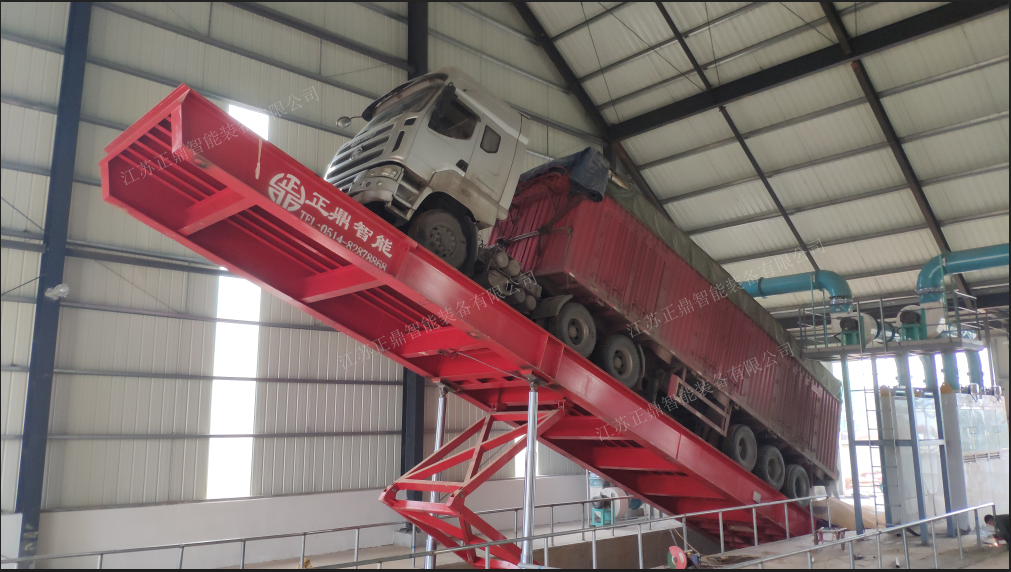
Industrial facilities worldwide rely on efficient material handling systems to maintain productivity and ensure worker safety. Among the most critical pieces of equipment in bulk material operations is the truck tipper unloader, which serves as the primary interface between transportation vehicles and processing facilities. These sophisticated hydraulic systems enable the safe and controlled discharge of materials from trucks, trailers, and other transport vehicles while minimizing manual labor and reducing workplace hazards. Understanding proper safety protocols for truck tipper unloader operations is essential for maintaining a secure working environment and preventing costly accidents that could disrupt operations or endanger personnel.
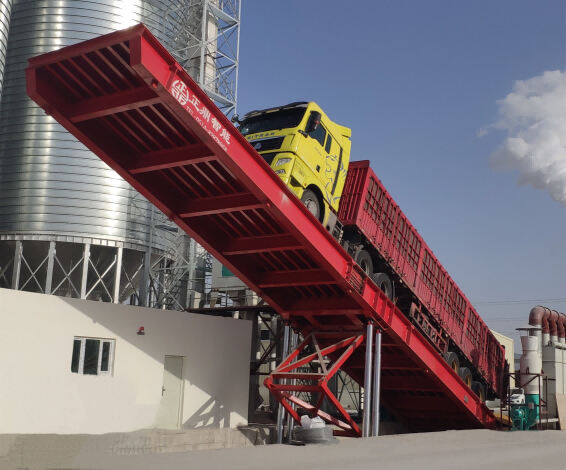
Understanding Truck Tipper Unloader Operations
Basic Operating Principles
The fundamental operation of a truck tipper unloader involves hydraulic lifting mechanisms that elevate the front or rear portion of a vehicle to facilitate gravity-assisted material discharge. These systems typically incorporate robust steel frameworks, high-capacity hydraulic cylinders, and sophisticated control systems that ensure smooth and controlled lifting operations. Modern truck tipper unloader designs feature variable lifting speeds, precise positioning capabilities, and integrated safety systems that monitor load conditions throughout the unloading process. The hydraulic power units generate substantial force, often exceeding 100 tons of lifting capacity, making proper safety protocols absolutely critical for safe operations.
Operators must understand that truck tipper unloader systems create significant changes in vehicle dynamics during the lifting process. The center of gravity shifts dramatically as the vehicle tilts, creating potential stability concerns that require careful management through proper positioning and operational procedures. Advanced systems incorporate automatic leveling mechanisms and stability monitoring systems that help maintain safe operating conditions, but human oversight remains essential for identifying potential hazards before they develop into dangerous situations.
Equipment Components and Safety Features
Contemporary truck tipper unloader installations feature multiple layers of safety systems designed to protect both equipment and personnel. Primary safety components include emergency stop systems, hydraulic pressure relief valves, mechanical locks that prevent uncontrolled descent, and proximity sensors that detect unauthorized personnel in the operating area. These systems work together to create a comprehensive safety envelope that minimizes the risk of accidents during normal operations and provides multiple backup systems in case of primary system failures.
The structural integrity of truck tipper unloader platforms requires regular inspection and maintenance to ensure continued safe operation. Load-bearing components experience significant stress during lifting operations, particularly when handling maximum capacity loads or dealing with uneven weight distribution. Professional engineers should conduct periodic structural assessments to verify that all components remain within safe operating parameters and identify any signs of fatigue or wear that could compromise system safety.
Pre-Operational Safety Procedures
Vehicle Inspection Requirements
Before engaging any truck tipper unloader system, operators must conduct thorough inspections of both the unloading equipment and the incoming vehicle. Vehicle assessments should include verification of proper load distribution, confirmation that cargo is properly secured to prevent shifting during the tilting process, and inspection of vehicle structural components that will bear additional stress during unloading. Particular attention must be paid to tailgate mechanisms, hydraulic systems, and any modifications that might affect the vehicle's structural integrity or balance characteristics.
Documentation of pre-operational inspections creates an essential safety record and helps identify recurring issues that might indicate systemic problems with either vehicles or the truck tipper unloader system itself. Digital inspection systems and mobile applications can streamline this process while ensuring that all critical checkpoints are consistently evaluated. Any deficiencies discovered during inspections must be addressed before proceeding with unloading operations, even if delays impact production schedules.
Environmental Assessment Protocols
Weather conditions significantly impact the safe operation of truck tipper unloader systems, particularly regarding surface traction, visibility, and equipment performance. Wind conditions pose particular concerns when vehicles are in elevated positions, as increased surface area can create substantial lateral forces that challenge system stability. Rain, snow, or ice conditions require modified operating procedures and may necessitate postponing operations until conditions improve to acceptable levels.
Operators must establish clear zones around the truck tipper unloader area and ensure that all personnel understand access restrictions during active operations. Proper lighting systems become critical during nighttime or low-visibility operations, as operators need clear sight lines to monitor vehicle positioning and detect potential hazards. Emergency communication systems should be tested regularly to ensure that operators can quickly summon assistance if problems develop during unloading operations.
Operational Safety Standards
Personnel Training and Certification
Comprehensive training programs form the foundation of safe truck tipper unloader operations, encompassing both theoretical knowledge and hands-on practical experience. Training curricula should address hydraulic system principles, emergency procedures, hazard recognition, and proper communication protocols. Operators must demonstrate proficiency in normal operations as well as emergency response procedures before receiving certification to operate truck tipper unloader equipment independently. Regular recertification ensures that skills remain current and incorporates lessons learned from industry incidents or equipment updates.
Specialized training modules should address the unique challenges associated with different types of materials and vehicle configurations commonly encountered in specific facilities. Bulk liquids, granular materials, and mixed loads each present distinct challenges that require modified approaches to ensure safe unloading. Advanced training programs might include simulator-based exercises that allow operators to experience emergency scenarios in controlled environments without risking actual equipment or personnel safety.
Communication and Coordination Protocols
Effective communication between truck tipper unloader operators, vehicle drivers, and ground personnel prevents misunderstandings that could lead to accidents. Standardized hand signals, radio communication procedures, and visual indicators help ensure that all parties understand the current operational status and any required actions. Clear protocols for starting, stopping, and emergency shutdown procedures must be established and regularly practiced to ensure rapid response during critical situations.
Coordination becomes particularly important when multiple truck tipper unloader systems operate in proximity or when unloading operations must integrate with other material handling activities. Traffic management systems help prevent conflicts between incoming and outgoing vehicles while maintaining safe clearances around active unloading areas. Regular coordination meetings between departments help identify potential conflicts and develop solutions before they impact operational safety.
Emergency Response Procedures
System Failure Management
When truck tipper unloader systems experience mechanical failures, operators must follow established emergency procedures to ensure personnel safety and minimize equipment damage. Primary response priorities include immediately stopping all operations, securing the area to prevent unauthorized access, and implementing backup systems to safely lower any elevated vehicles. Emergency lowering procedures typically involve manual hydraulic controls or mechanical release systems that can operate independently of primary power sources.
Backup power systems ensure that essential safety functions remain operational during primary power failures, including emergency lighting, communication systems, and hydraulic power for controlled lowering operations. Regular testing of emergency systems verifies their readiness and identifies maintenance requirements before they become critical during actual emergencies. Documentation of emergency responses helps identify system weaknesses and guides improvements to prevent similar incidents.
Accident Prevention Strategies
Proactive hazard identification programs help prevent accidents by systematically evaluating truck tipper unloader operations for potential risks and implementing appropriate control measures. Regular safety audits conducted by qualified personnel can identify emerging hazards before they result in incidents, while employee feedback systems encourage reporting of near-miss events and safety concerns. Trend analysis of safety data helps identify patterns that might indicate systemic issues requiring management attention.
Investment in advanced safety technologies, such as collision avoidance systems, automated positioning controls, and real-time monitoring systems, can significantly reduce accident risks associated with truck tipper unloader operations. These systems provide additional layers of protection that complement human oversight and can respond more quickly than manual interventions in some emergency situations. Regular evaluation of new safety technologies ensures that facilities incorporate the most effective protection measures as they become available.
Maintenance and Inspection Requirements
Preventive Maintenance Schedules
Systematic preventive maintenance programs ensure that truck tipper unloader systems remain in safe operating condition and help prevent unexpected failures that could create safety hazards. Maintenance schedules should address all critical components, including hydraulic systems, structural elements, control systems, and safety devices. Regular lubrication, filter changes, and hydraulic fluid analysis help maintain system performance while identifying potential problems before they result in failures.
Professional maintenance teams should possess specialized training in truck tipper unloader systems and access to appropriate diagnostic equipment for thorough system evaluation. Maintenance documentation provides valuable historical data for tracking component performance and planning replacement schedules. Predictive maintenance technologies, such as vibration analysis and thermal imaging, can identify developing problems that might not be apparent during routine visual inspections.
Safety System Verification
Regular testing of safety systems ensures that protective devices function properly when needed during emergency situations. Safety system tests should include emergency stop circuits, pressure relief valves, mechanical locks, and proximity sensors that detect personnel in dangerous areas. Testing procedures must verify not only that safety devices activate properly but also that they provide adequate protection and respond within acceptable time parameters.
Documentation of safety system tests creates regulatory compliance records and helps identify trends that might indicate deteriorating performance or the need for system upgrades. Any safety system that fails testing must be immediately removed from service until repairs can be completed and proper function verified. Redundant safety systems provide backup protection during maintenance periods but should never be considered permanent solutions for failed primary systems.
Regulatory Compliance and Best Practices
Industry Standards and Guidelines
Compliance with applicable safety regulations ensures that truck tipper unloader operations meet minimum safety requirements established by regulatory agencies. Industry standards developed by professional organizations provide additional guidance for achieving best practices that often exceed minimum regulatory requirements. Regular review of applicable regulations helps identify changes that might affect operational procedures or equipment requirements.
International facilities must navigate multiple regulatory frameworks that might have conflicting requirements or different enforcement philosophies. Consulting with regulatory experts helps ensure that truck tipper unloader installations meet all applicable requirements while avoiding unnecessary complications or delays. Documentation of compliance efforts provides evidence of good faith efforts to maintain safe operations and can be valuable during regulatory inspections or incident investigations.
Continuous Improvement Programs
Systematic evaluation of safety performance helps identify opportunities for improving truck tipper unloader operations beyond basic compliance requirements. Benchmarking against industry best practices provides insights into advanced safety measures that other facilities have successfully implemented. Employee suggestion programs encourage frontline workers to contribute ideas for safety improvements based on their daily experience with equipment and operations.
Investment in safety improvements should be evaluated not only for immediate benefits but also for long-term impacts on operational efficiency and risk reduction. Advanced truck tipper unloader systems that incorporate the latest safety technologies may require higher initial investments but can provide substantial benefits through reduced accident risks, lower insurance costs, and improved operational efficiency. Regular cost-benefit analyses help justify safety investments and guide budget allocation decisions.
FAQ
What are the most common safety hazards associated with truck tipper unloader operations
The primary safety hazards include vehicle instability during lifting, hydraulic system failures, personnel being struck by moving equipment, and materials falling from elevated vehicles. Crushing hazards exist when personnel work near elevated vehicles, while slip and fall risks increase around areas where materials may spill during unloading operations. Proper training, adherence to safety protocols, and regular equipment maintenance significantly reduce these risks.
How often should truck tipper unloader systems undergo safety inspections
Daily visual inspections should be conducted before each shift, while comprehensive monthly inspections should evaluate all safety systems and mechanical components. Annual inspections by qualified engineers should assess structural integrity and overall system condition. Any signs of wear, damage, or malfunction discovered during inspections require immediate attention before resuming operations.
What emergency procedures should operators follow if a vehicle becomes stuck in the elevated position
Operators should immediately secure the area to prevent personnel access, activate emergency communication systems, and attempt controlled lowering using backup hydraulic systems. If backup systems fail, mechanical release mechanisms may be necessary, but these should only be operated by trained maintenance personnel. Never attempt to force a stuck vehicle down or work underneath an elevated vehicle without proper mechanical supports.
Can truck tipper unloader systems be operated safely during adverse weather conditions
Operations during high winds, heavy precipitation, or icy conditions require modified procedures and may need to be postponed until conditions improve. Wind speeds exceeding manufacturer specifications should halt operations, while reduced visibility requires additional lighting and slower operational speeds. Each facility should establish specific weather criteria that trigger modified procedures or operational shutdowns to maintain safety standards.
Table of Contents
- Understanding Truck Tipper Unloader Operations
- Pre-Operational Safety Procedures
- Operational Safety Standards
- Emergency Response Procedures
- Maintenance and Inspection Requirements
- Regulatory Compliance and Best Practices
-
FAQ
- What are the most common safety hazards associated with truck tipper unloader operations
- How often should truck tipper unloader systems undergo safety inspections
- What emergency procedures should operators follow if a vehicle becomes stuck in the elevated position
- Can truck tipper unloader systems be operated safely during adverse weather conditions