
 EN
EN
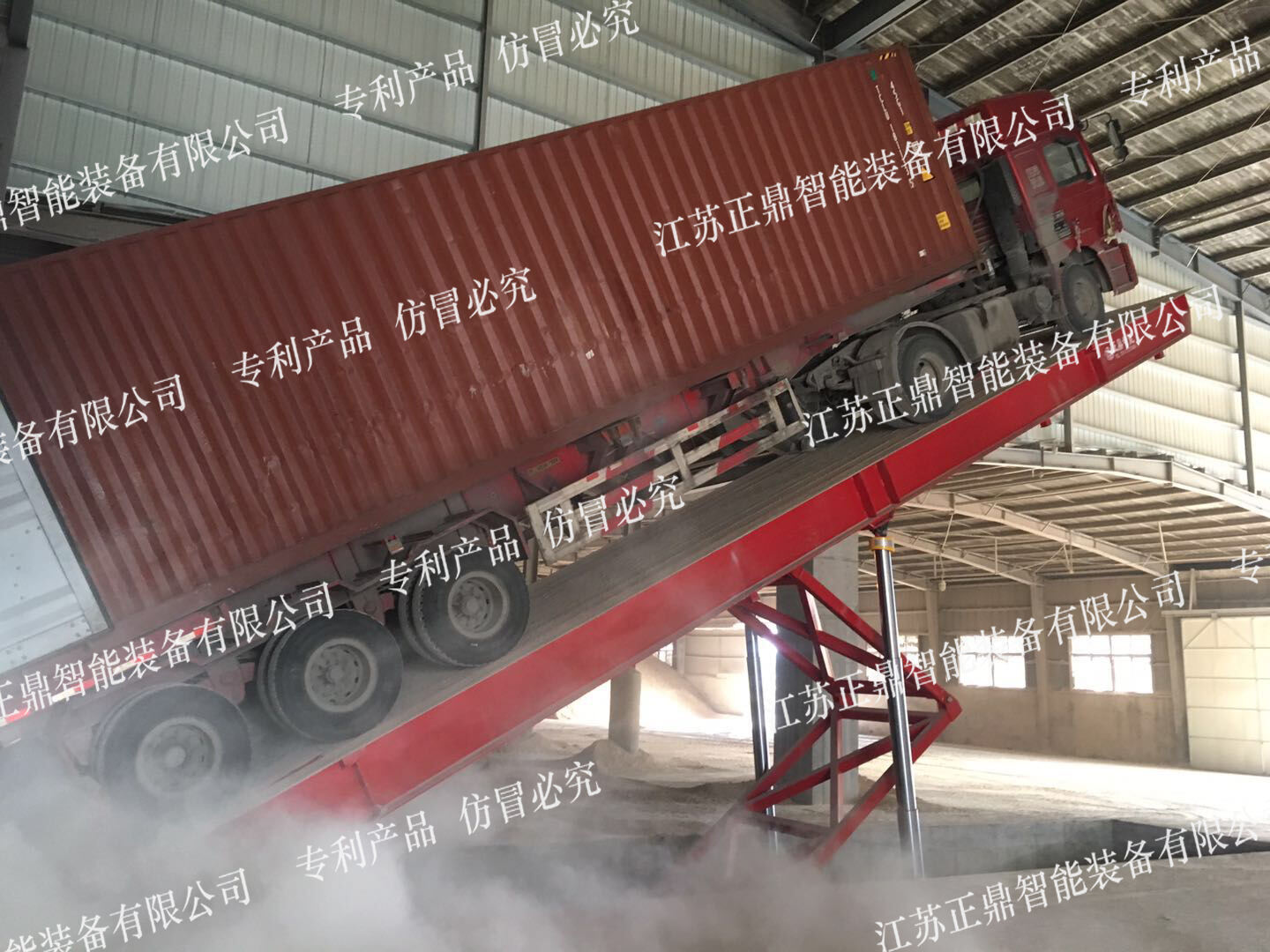
Construction sites across the globe are experiencing unprecedented pressure to increase productivity while maintaining safety standards and cost-effectiveness. Modern construction operations demand innovative solutions that streamline material handling processes, reduce labor dependency, and accelerate project timelines. Among the most transformative equipment revolutionizing these operations are truck dumpers, sophisticated mechanical systems designed to automate the unloading process of various materials from trucks and trailers. These advanced systems have become indispensable tools for construction managers seeking to optimize workflow efficiency, minimize operational risks, and achieve superior project outcomes in today's competitive construction landscape.
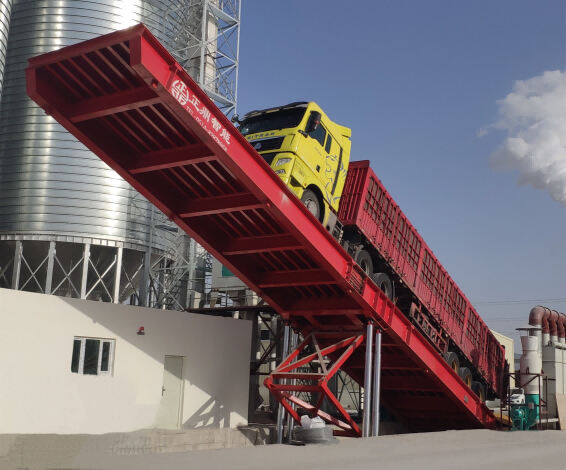
Understanding Truck Dumper Technology and Mechanisms
Core Engineering Principles
Truck dumpers operate on sophisticated hydraulic and mechanical principles that enable controlled tilting and rotation of loaded vehicles. These systems utilize powerful hydraulic cylinders, robust steel frameworks, and precision-engineered pivoting mechanisms to safely lift truck beds or entire vehicles to predetermined angles. The engineering behind truck dumpers incorporates advanced load distribution calculations, ensuring that material discharge occurs smoothly and safely without compromising vehicle integrity or operator safety. Modern designs feature variable speed controls, allowing operators to adjust dumping rates based on material characteristics and site-specific requirements.
The hydraulic systems powering contemporary truck dumpers employ high-pressure pumps, precision valves, and sophisticated control circuits that provide operators with exceptional control over the dumping process. These systems can generate tremendous lifting forces while maintaining precise positioning capabilities, enabling safe handling of vehicles weighing several tons when fully loaded. Advanced sensor technologies integrated into modern truck dumpers provide real-time feedback on vehicle positioning, load status, and system performance, ensuring optimal operational safety and efficiency throughout the unloading process.
Safety Integration and Control Systems
Safety represents the paramount consideration in truck dumper design and operation, with multiple redundant systems protecting both equipment and personnel during material handling operations. Modern truck dumpers incorporate emergency stop mechanisms, load sensing technologies, and automatic positioning systems that prevent dangerous operational conditions. These safety features include hydraulic pressure relief systems, mechanical locking mechanisms, and electronic monitoring systems that continuously assess operational parameters and intervene when necessary to prevent accidents or equipment damage.
Contemporary control systems feature intuitive operator interfaces with digital displays, programmable dumping sequences, and remote operation capabilities that enhance both safety and operational efficiency. These advanced control systems allow operators to maintain safe distances from active dumping zones while retaining complete control over the unloading process. Additionally, many modern truck dumpers include automated safety checks that verify proper vehicle positioning, secure attachment, and optimal operating conditions before initiating the dumping sequence.
Operational Advantages in Construction Applications
Enhanced Productivity and Time Efficiency
The implementation of truck dumpers in construction operations generates substantial productivity improvements by dramatically reducing material unloading times compared to traditional manual methods. These systems can complete full truck unloading operations in minutes rather than hours, enabling construction teams to maintain continuous material flow and minimize project delays. The automated nature of truck dumper operations eliminates the need for manual labor during unloading processes, freeing skilled workers to focus on value-added construction activities that directly contribute to project advancement.
Construction projects utilizing truck dumpers experience improved scheduling flexibility and enhanced material throughput capabilities that translate directly into accelerated project completion times. These systems enable rapid turnaround of delivery vehicles, reducing on-site congestion and improving overall logistics efficiency. The consistent and reliable performance of truck dumpers ensures predictable material handling times, allowing project managers to develop more accurate scheduling and resource allocation strategies that optimize overall construction workflow.
Labor Cost Reduction and Resource Optimization
Traditional material unloading methods require significant manual labor investments, including multiple workers, supervisory oversight, and extended time commitments that increase project costs substantially. Truck dumpers eliminate these labor-intensive processes by providing automated unloading capabilities that require minimal human intervention. This reduction in labor requirements translates directly into cost savings while simultaneously improving workplace safety by reducing worker exposure to potential hazards associated with manual material handling operations.
The operational efficiency gained through truck dumper implementation allows construction companies to reallocate human resources to more strategic activities that generate greater value for project outcomes. Skilled workers previously assigned to material handling tasks can be deployed in specialized construction activities, equipment operation, or quality control functions that directly contribute to project advancement. This resource optimization creates a multiplier effect that enhances overall project productivity while reducing total labor costs.
Material Handling Capabilities and Versatility
Diverse Material Processing Applications
Modern truck dumpers demonstrate exceptional versatility in handling various construction materials, from granular substances like sand and gravel to larger materials such as concrete blocks, steel components, and prefabricated elements. These systems accommodate different material characteristics through adjustable dumping angles, variable speed controls, and customizable discharge patterns that ensure optimal material placement and minimize waste. The ability to handle diverse materials makes truck dumpers invaluable for construction projects requiring multiple material types and varying handling requirements throughout different project phases.
Construction operations benefit significantly from the controlled material discharge capabilities provided by advanced truck dumpers, which enable precise material placement and reduce segregation issues common with traditional dumping methods. These systems can accommodate both dry and semi-liquid materials, including concrete, asphalt, and various aggregate mixtures, while maintaining material integrity and quality standards. The controlled discharge process minimizes material spillage, reduces cleanup requirements, and ensures efficient material utilization throughout construction operations.
Customization Options and Adaptability
Contemporary truck dumpers offer extensive customization options that enable construction companies to tailor equipment specifications to specific project requirements and operational constraints. These customization options include variable platform sizes, adjustable lifting capacities, specialized attachment systems, and configurable control interfaces that accommodate different vehicle types and material handling needs. Such flexibility ensures that truck dumpers can be effectively integrated into diverse construction environments and operational workflows.
The modular design philosophy employed in modern truck dumper manufacturing enables easy adaptation and modification of existing systems to meet evolving project requirements. Construction companies can upgrade control systems, modify platform configurations, or enhance safety features without requiring complete equipment replacement, providing excellent long-term value and operational flexibility. This adaptability ensures that truck dumper investments remain relevant and effective throughout changing project demands and technological advancement.
Economic Impact and Return on Investment
Cost-Benefit Analysis and Financial Performance
The financial benefits associated with truck dumper implementation extend far beyond initial equipment acquisition costs, encompassing substantial operational savings, productivity improvements, and risk reduction benefits that generate impressive return on investment outcomes. Construction companies typically experience significant reductions in labor costs, equipment rental expenses, and project duration penalties that more than offset truck dumper purchase prices within relatively short payback periods. Comprehensive cost-benefit analyses consistently demonstrate the economic advantages of truck dumper adoption across various construction applications and project scales.
Long-term financial performance improvements attributed to truck dumper utilization include reduced insurance premiums due to enhanced safety performance, lower maintenance costs compared to alternative material handling methods, and improved project profitability through accelerated completion times. These systems also contribute to enhanced company reputation and competitive positioning by enabling construction firms to bid more aggressively on time-sensitive projects while maintaining profitability margins. The cumulative financial impact of truck dumper implementation typically results in substantial long-term value creation for construction operations.
Market Competitive Advantages
Construction companies utilizing advanced truck dumpers gain significant competitive advantages in project bidding processes by offering faster completion times, enhanced safety records, and superior operational efficiency compared to competitors using traditional material handling methods. These competitive advantages translate directly into increased project awards, improved client relationships, and enhanced market positioning within the construction industry. The demonstration of technological sophistication and operational excellence provided by truck dumper utilization creates powerful differentiation factors that attract quality clients and premium project opportunities.
The operational capabilities enabled by truck dumpers allow construction companies to undertake larger and more complex projects that require rapid material handling and precise logistics coordination. This expanded project capability creates new revenue opportunities and enables construction firms to diversify their service offerings while building expertise in advanced material handling technologies. The strategic advantages gained through truck dumper implementation contribute to sustainable business growth and enhanced long-term profitability.
Implementation Strategies and Best Practices
Site Preparation and Integration Planning
Successful truck dumper implementation requires comprehensive site preparation and integration planning that addresses infrastructure requirements, operational workflows, and safety considerations specific to each construction environment. Site preparation includes adequate foundation design, electrical supply installation, drainage systems, and access route planning that accommodates truck dumper dimensions and operational requirements. Proper integration planning ensures seamless incorporation of truck dumpers into existing construction operations without disrupting ongoing activities or compromising project timelines.
Effective implementation strategies incorporate thorough operator training programs, maintenance protocols, and safety procedures that maximize truck dumper performance while minimizing operational risks. Construction managers must develop comprehensive operational procedures that address emergency situations, routine maintenance requirements, and performance optimization strategies. The integration of truck dumpers into construction operations requires careful coordination with material suppliers, transportation logistics, and project scheduling to ensure maximum efficiency and effectiveness.
Training and Operational Excellence
Comprehensive operator training programs represent critical success factors in truck dumper implementation, ensuring that personnel possess the knowledge and skills necessary for safe and efficient equipment operation. Training programs should address equipment operation procedures, safety protocols, maintenance requirements, and troubleshooting techniques that enable operators to maximize truck dumper performance while maintaining optimal safety standards. Regular refresher training and skills assessment programs help maintain operational excellence and ensure continued compliance with safety requirements.
Operational excellence in truck dumper utilization requires ongoing performance monitoring, preventive maintenance programs, and continuous improvement initiatives that optimize equipment effectiveness and reliability. Construction companies should implement systematic performance tracking systems that monitor key metrics including cycle times, material throughput, equipment availability, and safety performance. These monitoring systems provide valuable insights for operational optimization and enable proactive maintenance strategies that minimize downtime and extend equipment service life.
Future Developments and Technology Trends
Automation and Digital Integration
The future evolution of truck dumpers will be characterized by increased automation, digital integration, and intelligent control systems that further enhance operational efficiency and safety performance. Advanced automation technologies including artificial intelligence, machine learning, and predictive analytics will enable truck dumpers to optimize dumping sequences, predict maintenance requirements, and adapt operational parameters based on real-time conditions. These technological advances will create even greater operational efficiencies while reducing human intervention requirements.
Digital integration capabilities will enable truck dumpers to communicate seamlessly with construction management systems, material tracking technologies, and fleet management platforms, creating comprehensive operational visibility and control. Internet of Things connectivity will facilitate remote monitoring, diagnostic capabilities, and performance optimization that enhance overall system effectiveness. The integration of digital technologies will transform truck dumpers from standalone equipment into intelligent components of comprehensive construction automation ecosystems.
Environmental Sustainability and Energy Efficiency
Future truck dumper developments will emphasize environmental sustainability through improved energy efficiency, reduced emissions, and enhanced recyclability of system components. Electric and hybrid power systems will become increasingly prevalent, reducing environmental impact while maintaining operational performance standards. Advanced hydraulic systems utilizing bio-degradable fluids and energy recovery technologies will minimize environmental footprints while improving overall system efficiency.
Sustainability considerations will drive innovations in truck dumper design, manufacturing, and operation that align with construction industry environmental goals and regulatory requirements. These developments will include lightweight materials, energy-efficient components, and modular designs that facilitate equipment upgrading and lifecycle extension. The emphasis on sustainability will create new value propositions for truck dumpers while contributing to broader construction industry environmental objectives.
FAQ
What types of construction materials can truck dumpers handle effectively
Truck dumpers are designed to handle a wide variety of construction materials including sand, gravel, crushed stone, concrete, asphalt, soil, and various aggregate materials. These systems can accommodate both loose granular materials and larger items such as concrete blocks, steel components, and prefabricated elements. The versatility of modern truck dumpers allows them to process materials with different densities, moisture contents, and flow characteristics while maintaining controlled discharge patterns that ensure proper material placement and minimize waste.
How do truck dumpers improve construction site safety compared to manual unloading methods
Truck dumpers significantly enhance construction site safety by eliminating the need for workers to manually handle heavy materials or work in close proximity to moving vehicles during unloading operations. These systems feature multiple safety mechanisms including emergency stops, automatic positioning controls, and load sensing technologies that prevent dangerous operational conditions. The automated operation reduces worker exposure to potential hazards such as falling materials, equipment accidents, and repetitive strain injuries commonly associated with manual material handling processes.
What factors should construction companies consider when selecting truck dumpers for their operations
Key selection factors for truck dumpers include material handling capacity requirements, site space constraints, power supply availability, and specific material types to be processed. Construction companies should evaluate factors such as maximum vehicle weight capacity, platform dimensions, dumping angle range, and cycle time performance to ensure optimal fit with operational needs. Additional considerations include control system sophistication, safety feature integration, maintenance requirements, and customization options that accommodate specific project requirements and future expansion needs.
How long does it typically take to see return on investment from truck dumper implementation
Return on investment timelines for truck dumpers typically range from 12 to 36 months depending on utilization rates, labor cost savings, and productivity improvements achieved. Construction companies with high material handling volumes and frequent unloading operations generally experience faster payback periods due to substantial labor cost reductions and improved operational efficiency. The ROI calculation should include factors such as reduced labor costs, decreased equipment rental expenses, improved project completion times, and enhanced safety performance that collectively contribute to overall financial benefits.
Table of Contents
- Understanding Truck Dumper Technology and Mechanisms
- Operational Advantages in Construction Applications
- Material Handling Capabilities and Versatility
- Economic Impact and Return on Investment
- Implementation Strategies and Best Practices
- Future Developments and Technology Trends
-
FAQ
- What types of construction materials can truck dumpers handle effectively
- How do truck dumpers improve construction site safety compared to manual unloading methods
- What factors should construction companies consider when selecting truck dumpers for their operations
- How long does it typically take to see return on investment from truck dumper implementation