
 EN
EN
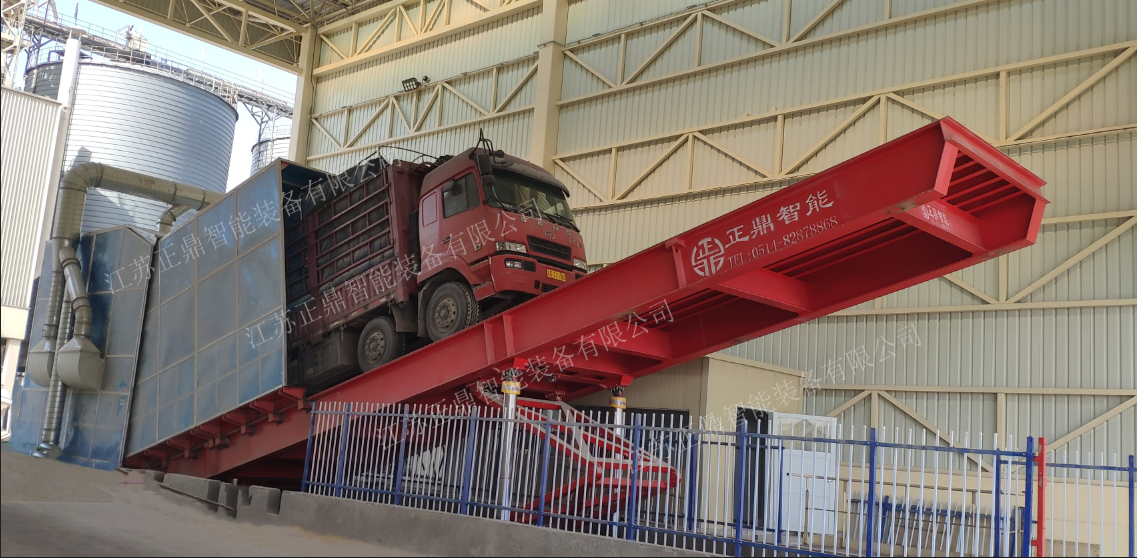
Modern industrial operations demand efficient material handling solutions that can streamline bulk material transfer processes while maintaining safety standards. The selection between automatic and manual truck tipper unloader systems represents a critical decision that affects operational efficiency, labor costs, and overall productivity. Understanding the fundamental differences between these two approaches enables facilities to make informed choices that align with their specific operational requirements and long-term strategic goals.
Operational Efficiency Comparison
Processing Speed and Throughput
Automatic truck tipper unloader systems deliver significantly higher processing speeds compared to their manual counterparts. These systems can complete full dump cycles in 60 to 90 seconds, enabling facilities to process more vehicles per hour during peak operational periods. The consistent cycle times eliminate human variability factors that often create bottlenecks in manual operations.
Manual truck tipper unloader configurations typically require 3 to 5 minutes per vehicle, including positioning, securing, and manual operation procedures. This extended processing time directly impacts facility throughput capacity and can create costly delays during busy periods. The time difference becomes particularly significant when handling high-volume operations with multiple vehicles waiting in queue.
Consistency and Reliability
Automated systems provide consistent performance regardless of external factors such as operator fatigue, shift changes, or varying skill levels. The truck tipper unloader maintains uniform operation parameters throughout extended operating periods, ensuring predictable material flow rates and operational scheduling reliability.
Manual systems depend heavily on operator expertise and physical condition, which can vary significantly throughout shifts. Environmental conditions, operator training levels, and fatigue factors introduce variability that affects overall system reliability and performance consistency across different operational periods.
Safety Considerations and Risk Management
Operator Safety Features
Advanced automatic truck tipper unloader systems incorporate multiple safety mechanisms including proximity sensors, emergency stop systems, and automated vehicle positioning controls. These features minimize direct human interaction with heavy machinery during operation, significantly reducing accident risks and potential injury incidents.
Safety interlocks prevent operation when personnel are detected in hazardous zones, while automated positioning systems ensure proper vehicle alignment before initiating dump cycles. These comprehensive safety measures create controlled environments that protect both operators and equipment from potential accidents.
Hazard Mitigation Strategies
Manual truck tipper unloader operations require operators to work in close proximity to heavy machinery and moving vehicles, creating inherent safety risks. The need for manual positioning, securing, and operation introduces multiple points where human error can lead to accidents or equipment damage.
Environmental hazards such as dust, noise, and material spillage are better controlled in automatic systems through enclosed operation areas and integrated dust suppression systems. Manual operations often expose workers to these environmental factors for extended periods, potentially impacting long-term health and safety outcomes.
Economic Analysis and Cost Considerations
Initial Investment Requirements
Automatic truck tipper unloader systems require substantial upfront capital investment, typically ranging from three to five times the cost of manual alternatives. This initial expense includes sophisticated control systems, safety equipment, and automated positioning mechanisms that contribute to higher equipment costs.
However, the total cost of ownership analysis often favors automatic systems when considering operational lifespan, maintenance requirements, and productivity gains. The enhanced efficiency and reduced labor requirements can generate significant return on investment over the system's operational lifetime.
Operational Cost Comparison
Labor costs represent the most significant ongoing expense difference between system types. Manual truck tipper unloader operations require dedicated operators for each unit, while automatic systems can operate with minimal supervision, reducing personnel requirements by up to 70 percent during normal operations.
Energy consumption patterns also differ significantly between systems. Automatic units optimize power usage through intelligent control systems that adjust operation parameters based on load conditions, while manual systems often operate at fixed power levels regardless of actual requirements.
Maintenance and Serviceability Factors
Preventive Maintenance Requirements
Modern automatic truck tipper unloader systems feature integrated diagnostic capabilities that monitor component performance and predict maintenance needs before failures occur. This predictive maintenance approach reduces unplanned downtime and extends component lifespan through optimized service scheduling.
Manual systems typically require more frequent maintenance due to increased wear from operator-induced variations in operation patterns. The absence of automated monitoring systems makes it challenging to identify developing issues before they result in equipment failures or performance degradation.
Service Accessibility and Complexity
Servicing automatic truck tipper unloader equipment requires specialized technical knowledge and diagnostic tools, potentially limiting the pool of qualified service technicians. However, remote monitoring capabilities often enable faster problem identification and resolution through expert support systems.
Manual systems generally offer simpler service requirements that can be handled by facility maintenance personnel with basic mechanical skills. This accessibility advantage must be balanced against the higher frequency of required maintenance interventions and potential for operator-induced damage.
Application Suitability and Selection Criteria
Volume and Frequency Considerations
High-volume operations processing more than 50 vehicles per day typically benefit from automatic truck tipper unloader systems due to their superior throughput capacity and consistent operation. The efficiency gains become increasingly significant as daily vehicle counts increase beyond 100 units.
Lower volume facilities handling fewer than 20 vehicles daily may find manual systems more cost-effective, as the labor savings from automation may not justify the higher initial investment. The break-even point varies based on local labor costs and facility-specific operational requirements.
Integration with Existing Infrastructure
Facility integration requirements often influence truck tipper unloader selection decisions. Automatic systems may require extensive infrastructure modifications including electrical upgrades, control room installations, and safety system integration with existing facility management systems.
Manual systems typically integrate more easily with existing infrastructure, requiring minimal electrical or control system modifications. This simplicity can significantly reduce total implementation costs and project timelines for facilities with limited infrastructure flexibility.
FAQ
What factors determine the optimal choice between automatic and manual truck tipper unloader systems
The optimal choice depends on daily vehicle volume, available capital budget, labor costs, safety requirements, and existing facility infrastructure. High-volume operations typically benefit from automatic systems, while lower volume facilities may find manual systems more cost-effective.
How do maintenance costs compare between automatic and manual truck tipper unloader systems
Automatic systems generally have higher per-incident maintenance costs due to complex components, but predictive maintenance capabilities often result in lower total maintenance expenses. Manual systems require more frequent service but with simpler, less expensive repairs.
What safety advantages do automatic truck tipper unloader systems provide
Automatic systems offer enhanced safety through proximity sensors, emergency stops, automated positioning, and reduced human interaction with heavy machinery. These features significantly reduce accident risks and create safer working environments for facility personnel.
Can existing manual truck tipper unloader systems be upgraded to automatic operation
Many manual systems can be retrofitted with automation components, though the cost-effectiveness varies based on equipment age and condition. Complete system replacement often provides better long-term value than extensive retrofitting of older manual equipment.