
 EN
EN
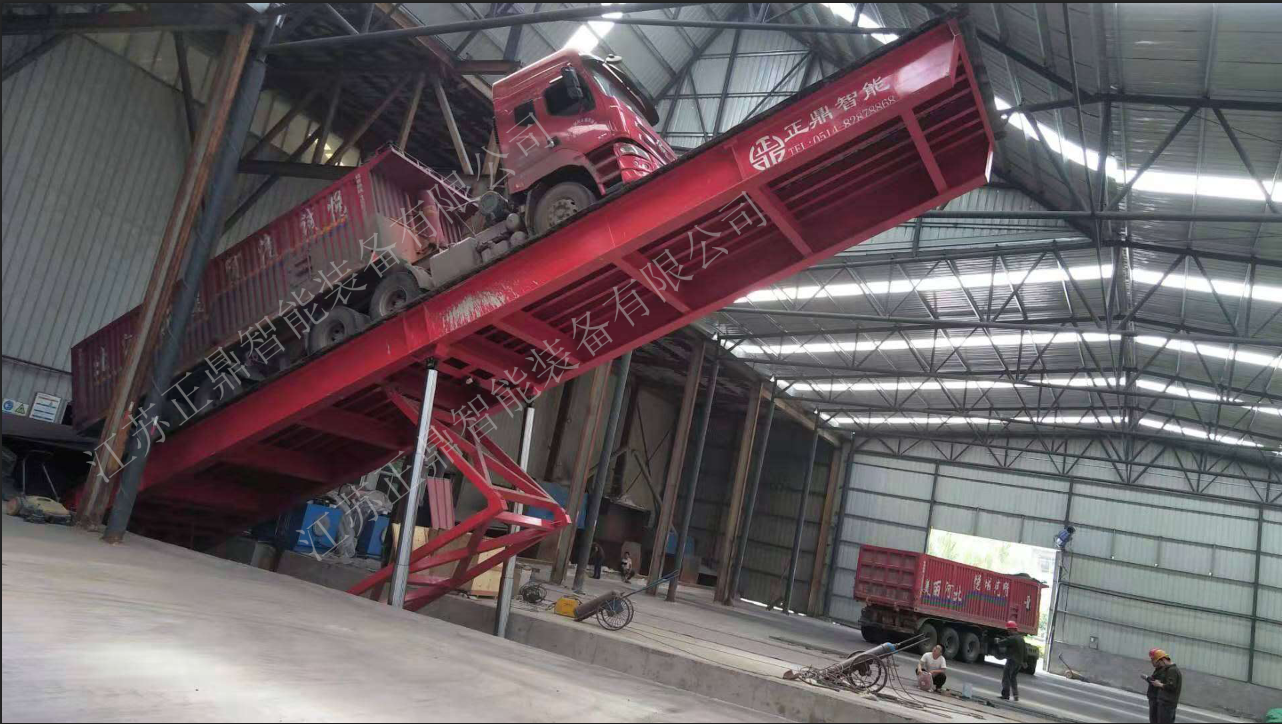
Modern industrial facilities handling bulk materials require efficient, reliable, and cost-effective solutions for unloading heavy-duty trucks. A truck tipper unloader system represents the cornerstone of streamlined material handling operations, enabling facilities to process thousands of tons of materials daily with minimal manual labor and maximum safety. These sophisticated hydraulic systems have revolutionized how industries approach bulk material handling, from mining operations to agricultural processing facilities.
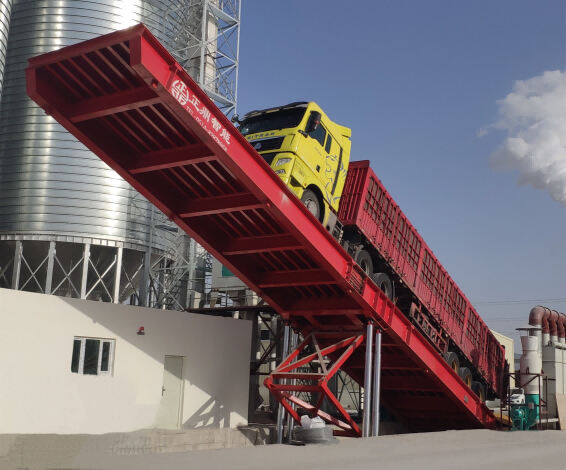
The selection of an appropriate truck tipper unloader depends on various factors including material type, daily throughput requirements, available space, and budget constraints. Industry leaders have developed sophisticated systems that combine hydraulic power, structural engineering, and automated controls to create solutions that dramatically improve operational efficiency while reducing workplace hazards associated with traditional unloading methods.
Hydraulic Truck Tipper Unloader Systems
Single-Cylinder Hydraulic Design
Single-cylinder hydraulic truck tipper unloader systems represent the most straightforward approach to automated truck unloading. These systems utilize a robust hydraulic cylinder positioned strategically beneath the truck bed to provide controlled lifting action. The simplicity of this design translates to lower maintenance requirements and reduced initial investment costs, making them ideal for medium-volume operations handling materials like grain, sand, or aggregates.
The operational efficiency of single-cylinder systems depends heavily on proper hydraulic fluid management and cylinder sizing. Professional installations typically feature cylinders capable of generating 40-60 tons of lifting force, sufficient for most standard truck configurations. Advanced models incorporate variable speed controls that allow operators to adjust lifting rates based on material characteristics, preventing spillage while optimizing cycle times.
Safety features in modern single-cylinder truck tipper unloader systems include pressure relief valves, emergency stop mechanisms, and integrated load monitoring systems. These components work together to prevent equipment damage and ensure operator safety during high-frequency unloading operations. Regular maintenance protocols focus on hydraulic fluid quality, cylinder seal integrity, and control system calibration to maintain peak performance levels.
Dual-Cylinder Configurations
Dual-cylinder truck tipper unloader systems offer enhanced stability and lifting capacity for heavy-duty applications. The synchronized operation of two hydraulic cylinders provides more balanced force distribution, reducing structural stress on both the unloader system and the truck chassis. This configuration proves particularly valuable when handling dense materials or operating with larger truck capacities exceeding 40 cubic yards.
The control systems governing dual-cylinder operations incorporate sophisticated synchronization technology to ensure uniform lifting action. Electronic flow dividers and pressure compensation valves maintain equal cylinder extension rates, preventing uneven lifting that could damage equipment or create safety hazards. Professional-grade systems feature real-time monitoring displays that show individual cylinder performance and system status indicators.
Installation requirements for dual-cylinder truck tipper unloader systems typically demand more extensive foundation preparation and electrical infrastructure. The increased complexity necessitates comprehensive operator training programs and detailed maintenance schedules. However, the enhanced reliability and increased throughput capacity often justify the additional investment for high-volume facilities processing materials continuously throughout operational shifts.
Electric Motor-Driven Unloader Systems
Variable Speed Electric Drives
Electric motor-driven truck tipper unloader systems provide precise control over lifting operations while offering significant energy efficiency advantages. Variable frequency drives enable operators to adjust lifting speeds dynamically, accommodating different material types and optimizing unloading cycles for maximum productivity. These systems particularly excel in applications requiring frequent speed adjustments or handling materials with varying flow characteristics.
The integration of regenerative braking technology in electric truck tipper unloader systems allows energy recovery during lowering operations. This feature reduces overall power consumption by up to 30% compared to traditional hydraulic systems, resulting in substantial operational cost savings over time. Advanced motor control algorithms provide smooth acceleration and deceleration profiles that minimize mechanical stress and extend equipment lifespan.
Maintenance advantages of electric motor-driven systems include reduced fluid handling requirements and eliminated hydraulic leak risks. The absence of hydraulic oil translates to cleaner operating environments and reduced environmental compliance concerns. Preventive maintenance focuses primarily on motor bearing lubrication, drive system calibration, and electrical connection inspection, typically resulting in lower long-term maintenance costs.
Direct Drive Mechanical Systems
Direct drive mechanical truck tipper unloader systems eliminate hydraulic components entirely, relying on electric motors coupled with mechanical advantage systems such as screw jacks or gear reducers. This approach provides exceptional reliability in harsh operating environments where hydraulic fluid contamination or temperature extremes might compromise system performance. The robust mechanical design ensures consistent operation across wide temperature ranges and dusty conditions.
Load capacity advantages of mechanical systems stem from their ability to maintain holding force without continuous power consumption. Once positioned, mechanical systems lock in place mechanically, eliminating concerns about hydraulic drift or pressure loss during extended holding periods. This characteristic proves valuable in applications requiring precise positioning or when unloading operations must be interrupted frequently.
The modular design of modern mechanical truck tipper unloader systems facilitates easy expansion and modification as operational requirements change. Standard components can be reconfigured to accommodate different truck sizes or modified to handle specialized materials. This flexibility provides long-term value for facilities expecting growth or diversification in their material handling operations.
Pneumatic Truck Tipper Unloader Technology
Compressed Air Power Systems
Pneumatic truck tipper unloader systems harness compressed air energy to provide clean, responsive lifting action suitable for sensitive material handling environments. The absence of hydraulic fluids eliminates contamination risks, making these systems ideal for food processing, pharmaceutical, or chemical handling applications where product purity is paramount. Compressed air systems respond rapidly to control inputs, enabling precise positioning and smooth operational cycles.
The inherent safety characteristics of pneumatic systems include automatic pressure relief and fail-safe lowering capabilities. In the event of air pressure loss, integrated accumulators provide sufficient reserve pressure for controlled lowering operations. This feature prevents sudden drops that could damage equipment or create safety hazards, while backup compressed air sources ensure continuous operation during maintenance periods.
Energy efficiency optimization in pneumatic truck tipper unloader systems involves careful sizing of air cylinders, strategic placement of air reservoirs, and implementation of energy recovery systems. Modern installations incorporate air-to-air heat exchangers that pre-cool compressed air, reducing moisture content and improving system efficiency. Automated drain systems remove accumulated condensation, maintaining optimal air quality throughout the pneumatic circuit.
Hybrid Pneumatic-Electric Systems
Hybrid pneumatic-electric truck tipper unloader systems combine the responsive nature of compressed air with the precise control capabilities of electric drive technology. Electric compressors provide on-demand air generation, while sophisticated control systems manage air flow rates and pressure levels to optimize lifting performance. This integration enables facilities to achieve the cleanliness benefits of pneumatic systems while maintaining the energy efficiency advantages of electric power.
The control sophistication available in hybrid systems allows for programmable lifting profiles tailored to specific material characteristics. Operators can establish different unloading sequences for various truck configurations, with the system automatically adjusting air pressure and flow rates based on load sensors and position feedback. This automation reduces operator workload while ensuring consistent, safe unloading operations.
Installation flexibility represents a key advantage of hybrid pneumatic-electric truck tipper unloader systems. The modular design allows phased implementation, with basic pneumatic components installed initially and electric control systems added as operational requirements develop. This approach spreads capital investment over time while providing immediate operational benefits from the basic pneumatic lifting capability.
Specialized Material Handling Configurations
High-Temperature Material Systems
Specialized truck tipper unloader systems designed for high-temperature materials incorporate advanced cooling systems, heat-resistant components, and protective enclosures to maintain reliable operation when handling materials exceeding 200°F. These systems typically feature ceramic-lined receiving hoppers, heat-resistant hydraulic seals, and temperature monitoring systems that prevent equipment damage from thermal stress. The robust construction ensures consistent performance in foundry operations, steel processing facilities, and other high-temperature environments.
Thermal management strategies in high-temperature truck tipper unloader applications include active cooling systems for hydraulic components, insulation barriers to protect sensitive electronics, and automated temperature monitoring with shutdown capabilities. Heat exchangers maintain hydraulic fluid temperatures within acceptable operating ranges, while thermal barriers protect structural components from direct heat exposure. These protective measures extend equipment lifespan and reduce maintenance requirements in demanding thermal environments.
Safety considerations for high-temperature material handling include emergency cooling systems, protective clothing requirements for operators, and specialized fire suppression equipment. Automated systems monitor material temperatures and can initiate emergency procedures if temperatures exceed safe handling limits. Training programs emphasize heat safety protocols and proper use of protective equipment to ensure operator safety during high-temperature unloading operations.
Corrosive Material Handling
Corrosive material applications require truck tipper unloader systems constructed from specialized alloys, protective coatings, and chemical-resistant components. Stainless steel construction, polymer protective coatings, and sealed electrical enclosures prevent degradation from exposure to acidic or alkaline materials. These systems maintain structural integrity and operational reliability when handling chemicals, fertilizers, or processed minerals with corrosive characteristics.
Component selection for corrosive environments emphasizes materials compatibility, seal technology, and protective finishes that resist chemical attack. Hydraulic seals utilize fluoropolymer compounds that maintain flexibility and sealing effectiveness when exposed to aggressive chemicals. Electronic components feature conformal coatings and sealed enclosures that prevent moisture and chemical intrusion, ensuring reliable control system operation in harsh chemical environments.
Maintenance protocols for corrosive material truck tipper unloader systems include regular cleaning procedures, protective coating inspection, and component replacement schedules based on chemical exposure levels. Specialized cleaning agents neutralize residual chemicals without damaging protective coatings or system components. Preventive maintenance emphasizes early detection of chemical attack and proactive replacement of vulnerable components before failure occurs.
Selection Criteria and Performance Considerations
Capacity and Throughput Requirements
Determining appropriate truck tipper unloader capacity involves analyzing daily material volumes, peak handling requirements, and future expansion plans. Facilities processing 500 tons daily require different specifications than operations handling 50 tons, with larger systems demanding more robust structural design, higher-capacity hydraulic systems, and enhanced control capabilities. Proper capacity selection ensures efficient operations while avoiding over-investment in unnecessary capabilities.
Throughput optimization depends on cycle time efficiency, truck positioning accuracy, and material flow characteristics. Modern truck tipper unloader systems achieve cycle times as short as 90 seconds for standard truck configurations, including positioning, lifting, dumping, and lowering operations. Advanced systems incorporate truck guidance systems that reduce positioning time and automated controls that optimize lifting rates based on real-time load monitoring.
Performance monitoring systems track key metrics including cycle times, energy consumption, maintenance requirements, and safety incidents. This data enables continuous optimization of truck tipper unloader operations and supports evidence-based decisions regarding system modifications or upgrades. Regular performance analysis identifies opportunities for efficiency improvements and helps justify capital investments in advanced technology.
Installation and Infrastructure Requirements
Foundation requirements for truck tipper unloader systems depend on soil conditions, system weight, and operational loads. Concrete foundations typically require depths of 4-6 feet with reinforcing steel designed to handle dynamic loads from lifting operations. Proper foundation design prevents settling, reduces vibration transmission, and provides stable support for precise positioning systems. Engineering analysis ensures foundation adequacy for specific soil conditions and operational requirements.
Electrical infrastructure must accommodate power requirements for hydraulic pumps, control systems, and auxiliary equipment. Three-phase electrical service typically ranges from 50kW for smaller systems to 200kW for large-capacity installations. Proper electrical design includes motor starting equipment, control power supplies, and safety shutdown systems that ensure reliable operation and operator protection. Emergency power systems may be required for critical applications.
Site preparation considerations include drainage systems, material handling equipment access, and integration with existing facility operations. Proper drainage prevents water accumulation that could damage equipment or create safety hazards. Access roads must accommodate truck traffic patterns and provide adequate maneuvering space for efficient positioning. Integration planning ensures smooth material flow from unloading operations to downstream processing equipment.
Maintenance and Operational Best Practices
Preventive Maintenance Protocols
Effective preventive maintenance for truck tipper unloader systems follows scheduled inspection and service intervals based on operating hours, cycles completed, or calendar time. Daily inspections focus on fluid levels, visual component inspection, and operational testing of safety systems. Weekly maintenance includes lubrication of mechanical components, hydraulic system pressure testing, and cleaning of electrical enclosures. Monthly procedures involve detailed component inspection, wear assessment, and performance calibration.
Hydraulic system maintenance emphasizes fluid quality management, filter replacement, and seal inspection. Hydraulic fluid analysis programs detect contamination, degradation, or component wear particles that indicate developing problems. Regular filter changes prevent contamination damage while seal inspection identifies leakage before significant fluid loss occurs. Pressure testing verifies system integrity and identifies developing weaknesses in hydraulic components.
Documentation protocols track maintenance activities, component replacements, and performance trends to identify patterns and optimize maintenance schedules. Digital maintenance management systems provide automated scheduling, work order generation, and parts inventory management. Historical data analysis identifies recurring issues and supports decisions regarding component upgrades or design modifications that improve long-term reliability.
Safety Training and Operational Procedures
Comprehensive safety training programs for truck tipper unloader operators cover equipment operation, emergency procedures, and hazard recognition. Training emphasizes proper positioning techniques, load weight verification, and communication protocols during unloading operations. Regular refresher training ensures operators maintain proficiency and stay current with safety procedures and equipment modifications.
Standard operating procedures define step-by-step processes for normal operations, emergency responses, and maintenance activities. Written procedures ensure consistent practices across different operators and shifts while providing reference materials for training new personnel. Procedures are regularly updated to reflect equipment modifications, safety improvements, or lessons learned from operational experience.
Safety monitoring systems track incidents, near-misses, and safety performance metrics to identify improvement opportunities. Regular safety audits evaluate compliance with established procedures and identify potential hazards requiring corrective action. Safety committees review performance data and recommend improvements to training programs, procedures, or equipment design that enhance overall safety performance.
FAQ
What factors determine the appropriate truck tipper unloader capacity for my facility
The appropriate capacity depends on your daily material volumes, peak handling periods, truck sizes used, and material characteristics. Calculate your maximum daily tonnage and divide by available operating hours to determine required throughput rates. Consider material density, flow characteristics, and seasonal volume variations when sizing your system. Most facilities benefit from selecting capacity 20-30% above calculated requirements to accommodate growth and peak demand periods.
How do hydraulic and electric truck tipper unloader systems compare in terms of operating costs
Electric systems typically offer lower energy costs due to regenerative braking and precise speed control capabilities, while hydraulic systems provide higher lifting forces and faster cycle times. Hydraulic systems require hydraulic fluid, filters, and more frequent maintenance, while electric systems need motor maintenance and drive system calibration. Over a 10-year period, electric systems often show 15-25% lower total operating costs despite higher initial investment.
What safety features should I prioritize when selecting a truck tipper unloader system
Essential safety features include emergency stop systems, pressure relief valves, load monitoring systems, and fail-safe lowering capabilities. Look for systems with truck positioning guides, operator protection barriers, and automated safety interlocks that prevent operation with improperly positioned vehicles. Advanced systems offer remote operation capabilities, collision detection, and integrated communication systems that enhance operator safety during unloading operations.
How long does installation typically take for a new truck tipper unloader system
Installation timeframes vary from 2-4 weeks for standard systems to 6-10 weeks for complex custom configurations. Foundation preparation typically requires 1-2 weeks, followed by mechanical installation, electrical connections, and system commissioning. Weather conditions, site access, and integration with existing equipment can extend installation schedules. Planning should include operator training time and initial system optimization period before full production operations begin.
Table of Contents
- Hydraulic Truck Tipper Unloader Systems
- Electric Motor-Driven Unloader Systems
- Pneumatic Truck Tipper Unloader Technology
- Specialized Material Handling Configurations
- Selection Criteria and Performance Considerations
- Maintenance and Operational Best Practices
-
FAQ
- What factors determine the appropriate truck tipper unloader capacity for my facility
- How do hydraulic and electric truck tipper unloader systems compare in terms of operating costs
- What safety features should I prioritize when selecting a truck tipper unloader system
- How long does installation typically take for a new truck tipper unloader system