

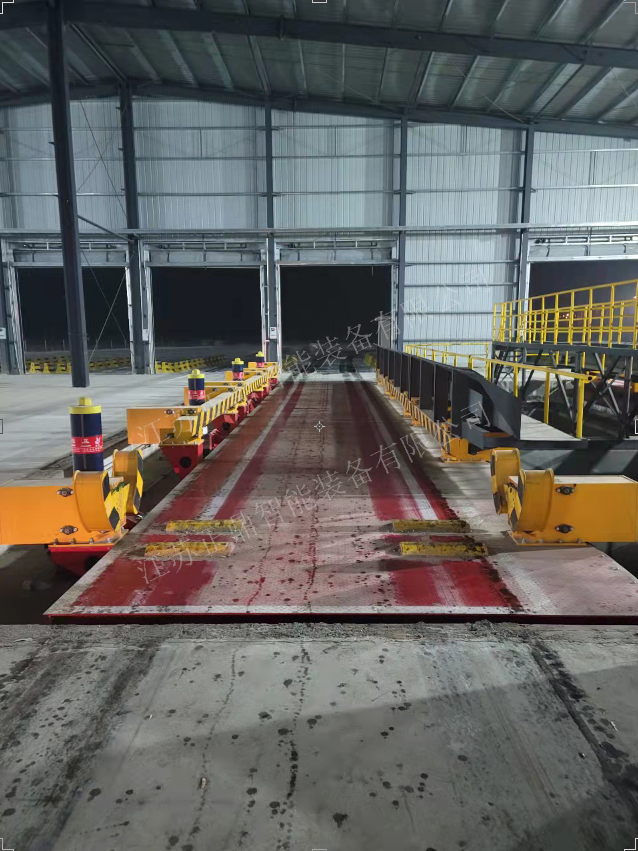
Operating heavy industrial equipment requires strict adherence to safety protocols, and truck unloader systems are no exception. These powerful machines handle massive loads daily across manufacturing facilities, distribution centers, and processing plants worldwide. Understanding proper safety procedures not only protects operators and personnel but also ensures optimal equipment performance and minimizes costly downtime. The complexity of modern truck unloader operations demands comprehensive training and unwavering attention to established safety guidelines.

Pre-Operation Safety Protocols
Equipment Inspection Procedures
Before activating any truck unloader system, operators must conduct thorough visual inspections of all mechanical components. This includes examining hydraulic lines for leaks, checking electrical connections for corrosion or damage, and verifying that safety guards remain securely fastened. The inspection process should follow manufacturer specifications and facility-specific checklists to ensure nothing gets overlooked. Documentation of these inspections provides valuable maintenance records and demonstrates regulatory compliance.
Critical safety systems require special attention during pre-operation checks. Emergency stop buttons must function properly, warning lights should illuminate correctly, and backup safety mechanisms need verification. Operators should test communication systems that connect them with ground personnel and confirm that all warning signals operate at appropriate volumes. These preliminary steps establish a foundation for safe operations throughout the entire shift.
Personal Protective Equipment Requirements
Proper personal protective equipment forms the first line of defense against workplace injuries. Hard hats protect against falling debris that might dislodge during unloading operations, while safety glasses shield eyes from dust and particulate matter. High-visibility clothing ensures operators remain visible to ground personnel and equipment operators in adjacent work areas. Steel-toed boots provide foot protection and improve grip on potentially slippery surfaces.
Hearing protection becomes essential in environments where truck unloader operations generate significant noise levels. Prolonged exposure to equipment noise can cause permanent hearing damage, making proper ear protection mandatory rather than optional. Respiratory protection may be necessary when handling materials that generate airborne particles or when working in enclosed spaces with limited ventilation. Regular replacement and maintenance of protective equipment ensures continued effectiveness.
Operational Safety Standards
Load Positioning and Securing Techniques
Proper load positioning directly impacts both safety and efficiency during truck unloader operations. Vehicles must be positioned precisely within designated unloading zones, with wheels chocked and parking brakes engaged to prevent unexpected movement. The truck unloader platform should align correctly with the vehicle bed to ensure smooth material transfer without spillage or equipment strain.
Load distribution assessment helps operators identify potential stability issues before beginning the unloading process. Unevenly distributed materials can cause vehicles to shift unexpectedly during tilting operations, creating dangerous situations for nearby personnel. Operators should verify that load securing mechanisms like tie-downs or tarps have been properly removed and that cargo doors or tailgates can open freely without obstruction.
Communication and Coordination Protocols
Clear communication between truck unloader operators and ground personnel prevents accidents and ensures smooth operations. Established hand signals or radio protocols allow for coordination during complex unloading procedures, especially when visibility is limited or ambient noise levels are high. All personnel involved in the operation should understand these communication methods and practice them regularly to maintain proficiency.
Designated spotters play crucial roles in maintaining awareness of potential hazards around the unloading area. These individuals monitor for pedestrian traffic, other equipment operations, and environmental conditions that might affect safety. Regular briefings before shift changes ensure that all team members understand current operational parameters and any special considerations for specific loads or vehicles.
Environmental and Situational Awareness
Weather-Related Safety Considerations
Weather conditions significantly impact truck unloader safety protocols and may require operational modifications or temporary suspensions. High winds can affect vehicle stability during tilting operations and may cause loose materials to become airborne, creating hazards for personnel in the vicinity. Rain or snow creates slippery surfaces that increase fall risks and may affect equipment traction and braking performance.
Extreme temperatures pose additional challenges for both equipment and operators. Cold weather can affect hydraulic fluid viscosity and battery performance in electric systems, while excessive heat may cause equipment overheating and increase operator fatigue. Lightning storms require immediate suspension of outdoor operations to protect personnel from electrical hazards, particularly when working with metal equipment structures.
Hazardous Material Handling Protocols
Special procedures apply when truck unloader systems handle hazardous materials or chemicals that require additional safety precautions. Material Safety Data Sheets provide essential information about specific hazards, required protective equipment, and emergency response procedures. Operators must understand these requirements and ensure that appropriate spill containment materials and emergency response equipment remain readily accessible.
Ventilation systems become critical when handling materials that may generate toxic vapors or combustible dust. Air monitoring equipment helps detect dangerous concentration levels before they pose health risks to personnel. Emergency shutdown procedures should be clearly understood and practiced regularly to ensure rapid response capability in the event of hazardous material releases or exposure incidents.
Emergency Response and Incident Management
Emergency Shutdown Procedures
Every truck unloader operation must have clearly defined emergency shutdown procedures that operators can execute quickly and safely. These procedures should account for different emergency scenarios, including equipment malfunctions, personnel injuries, and environmental hazards. Emergency stop controls must be easily accessible from operator positions and clearly marked for immediate identification during high-stress situations.
Coordinated shutdown sequences help prevent additional hazards when emergencies occur during active operations. This includes securing loads in stable positions, isolating power sources, and ensuring that all personnel are accounted for and moved to safe locations. Communication protocols for emergency situations should include notification of supervisors, emergency services, and other operational areas that might be affected.
Incident Reporting and Investigation
Comprehensive incident reporting systems help identify trends and prevent future accidents by documenting near-misses, equipment failures, and safety violations. Reports should include detailed descriptions of circumstances, contributing factors, and immediate corrective actions taken. Photographs and witness statements provide valuable documentation for thorough investigations and insurance purposes.
Follow-up investigations must examine root causes rather than just immediate factors to prevent recurring incidents. This process often reveals systemic issues such as inadequate training, equipment maintenance deficiencies, or procedural gaps that require organizational attention. Sharing lessons learned from incident investigations across similar operations helps improve industry-wide safety standards and practices.
Training and Certification Requirements
Operator Qualification Standards
Truck unloader operators must demonstrate competency through formal training programs that cover both theoretical knowledge and practical skills. These programs should address equipment operation, safety protocols, emergency procedures, and relevant regulatory requirements. Certification processes verify that operators understand the responsibilities and risks associated with their roles and can perform required tasks safely and efficiently.
Ongoing training requirements ensure that operators stay current with evolving safety standards, equipment updates, and best practices. Regular refresher courses help maintain skill levels and provide opportunities to address any performance issues or knowledge gaps. Documentation of training completion supports regulatory compliance and provides evidence of organizational commitment to safety excellence.
Supervision and Mentoring Programs
New operators benefit significantly from structured mentoring programs that pair them with experienced personnel during initial work assignments. These relationships provide opportunities for hands-on learning and real-world application of classroom training concepts. Experienced mentors can share practical insights about equipment quirks, situational judgment, and problem-solving approaches that formal training may not fully address.
Regular performance evaluations help identify areas where additional training or support may be needed. These assessments should focus on safety compliance, operational efficiency, and adherence to established procedures. Constructive feedback and professional development planning support continuous improvement and career advancement opportunities within the organization.
FAQ
What are the most common safety hazards associated with truck unloader operations
The primary safety hazards include crushing injuries from moving equipment, falls from elevated platforms, exposure to hazardous materials during unloading, and struck-by incidents involving shifting loads or equipment. Electrical hazards from power lines or equipment malfunctions also pose significant risks. Most accidents result from inadequate training, failure to follow established procedures, or equipment maintenance deficiencies.
How often should truck unloader equipment undergo safety inspections
Daily pre-operation inspections are mandatory for all truck unloader equipment, with more comprehensive weekly and monthly inspections conducted by qualified maintenance personnel. Annual certifications by licensed inspectors ensure compliance with regulatory requirements and manufacturer specifications. The frequency of detailed inspections may increase based on usage intensity, environmental conditions, and equipment age.
What qualifications are required to operate truck unloader equipment safely
Operators must complete formal training programs covering equipment operation, safety procedures, and emergency response protocols. Many jurisdictions require specific certifications or licenses for heavy equipment operation. Medical clearances may be necessary to ensure operators can safely perform required tasks. Ongoing training and recertification help maintain competency levels throughout an operator's career.
How should operators respond to equipment malfunctions during unloading operations
Operators should immediately activate emergency stop procedures and secure the load in a stable position when equipment malfunctions occur. All personnel should be moved to safe locations away from the equipment and load. Supervisors and maintenance personnel must be notified immediately, and the equipment should remain out of service until qualified technicians can conduct proper repairs and safety inspections.
Table of Contents
- Pre-Operation Safety Protocols
- Operational Safety Standards
- Environmental and Situational Awareness
- Emergency Response and Incident Management
- Training and Certification Requirements
-
FAQ
- What are the most common safety hazards associated with truck unloader operations
- How often should truck unloader equipment undergo safety inspections
- What qualifications are required to operate truck unloader equipment safely
- How should operators respond to equipment malfunctions during unloading operations