
Selecting the appropriate truck unloader for your industrial operations requires careful consideration of multiple technical and operational factors. Modern logistics facilities depend heavily on efficient unloading systems to maintain productivity and reduce operational costs. Understanding the key specifications, capacity requirements, and safety features will help you make an informed decision that maximizes your investment return while ensuring long-term operational reliability.

Understanding Truck Unloader Types and Applications
Hydraulic Truck Unloaders
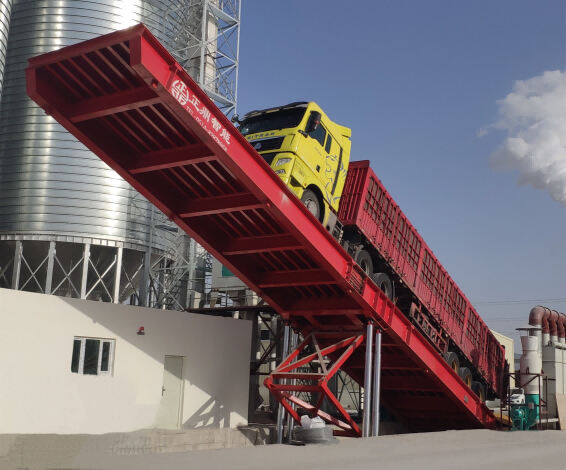
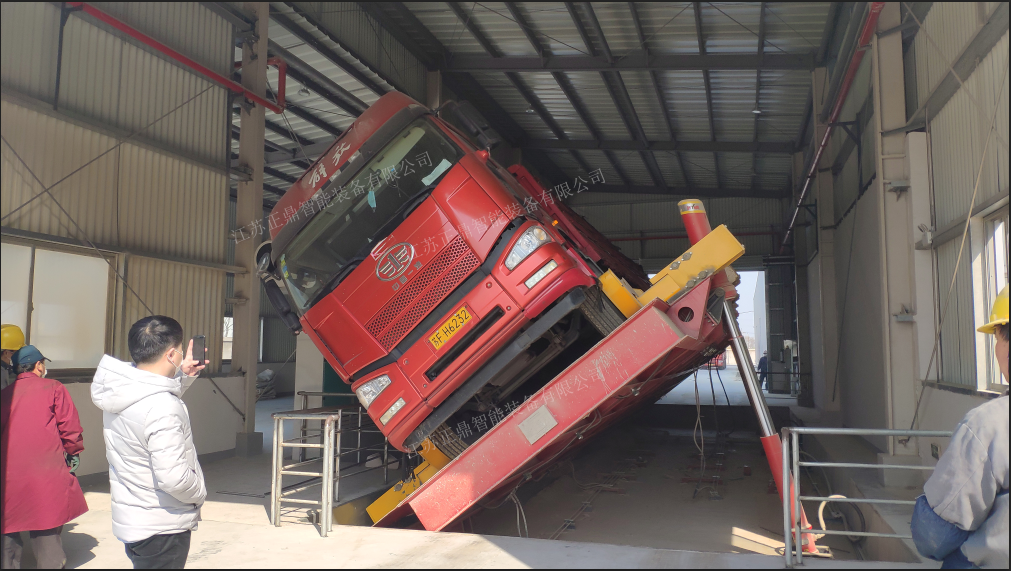
Hydraulic truck unloaders represent the most common type of unloading equipment found in industrial facilities worldwide. These systems utilize powerful hydraulic cylinders to lift and tilt truck beds, allowing gravity to facilitate the discharge of bulk materials. The hydraulic mechanism provides smooth, controlled operation with precise positioning capabilities that ensure safe and efficient unloading processes across various material types.
The primary advantage of hydraulic systems lies in their ability to handle heavy loads with consistent performance over extended periods. Most hydraulic truck unloaders can accommodate vehicles ranging from small delivery trucks to large commercial haulers, making them versatile solutions for facilities with diverse transportation needs. Maintenance requirements are generally straightforward, involving regular hydraulic fluid checks and seal inspections.
Pneumatic Truck Unloaders
Pneumatic truck unloaders offer an alternative approach for facilities handling specific types of bulk materials, particularly powders and granular substances. These systems create vacuum or pressure differentials to extract materials directly from truck compartments through specialized hoses and piping systems. The pneumatic approach eliminates the need for mechanical tilting, reducing wear on vehicle suspension systems and providing gentler handling of delicate materials.
Industries such as food processing, pharmaceuticals, and chemical manufacturing often prefer pneumatic systems due to their enclosed transfer process, which minimizes contamination risks and dust emissions. However, these systems require more complex maintenance protocols and higher energy consumption compared to hydraulic alternatives, making them suitable primarily for specialized applications where material integrity is paramount.
Capacity and Load Requirements Assessment
Determining Weight Capacity Needs
Accurate assessment of weight capacity requirements forms the foundation of any successful truck unloader selection process. Facilities must evaluate both their current operational demands and anticipated future growth to ensure the chosen equipment can handle peak load conditions without compromising safety or performance. Standard truck unloaders typically range from 40-ton to 120-ton capacity, with heavy-duty models capable of handling even larger loads.
Consider the maximum gross vehicle weight of trucks regularly servicing your facility, including both the vehicle weight and maximum payload capacity. Factor in safety margins of at least 20-30% above your typical maximum loads to account for occasional overweight situations and equipment longevity. Document your heaviest anticipated loads over the next five to ten years to avoid premature equipment obsolescence.
Volume and Throughput Considerations
Beyond weight capacity, volume handling requirements significantly impact truck unloader selection decisions. Facilities processing high volumes of materials need equipment capable of rapid cycle times without sacrificing operational safety or material quality. Modern truck unloader systems can complete full unloading cycles in as little as three to five minutes, depending on material characteristics and system specifications.
Evaluate your daily, weekly, and seasonal throughput patterns to determine optimal cycle time requirements. Peak demand periods often require faster processing capabilities, while maintaining efficiency during slower periods helps control operational costs. Consider implementing multiple smaller units versus single large-capacity systems based on your specific operational flexibility needs and maintenance scheduling preferences.
Safety Features and Compliance Standards
Operator Safety Systems
Modern truck unloader installations must incorporate comprehensive safety systems to protect operators, equipment, and surrounding personnel during unloading operations. Essential safety features include emergency stop controls accessible from multiple locations, automated safety interlocks that prevent operation when personnel are in danger zones, and visual warning systems that alert nearby workers to active unloading procedures.
Advanced truck unloader models feature sophisticated sensor systems that monitor vehicle positioning, load distribution, and operational parameters throughout the unloading cycle. These systems automatically halt operations if unsafe conditions are detected, such as improper vehicle alignment, excessive load shifting, or mechanical system anomalies. Investing in equipment with robust safety features reduces liability exposure and helps maintain positive safety records.
Regulatory Compliance Requirements
Truck unloader installations must comply with various federal, state, and local regulations governing industrial equipment operation and workplace safety. The Occupational Safety and Health Administration provides specific guidelines for materials handling equipment, including requirements for guarding, emergency controls, and operator training protocols. Environmental regulations may also apply, particularly regarding dust control and noise emissions in urban or residential areas.
Ensure any truck unloader under consideration meets or exceeds relevant industry standards and local building codes. Work with qualified engineers to verify installation compliance and obtain necessary permits before equipment deployment. Regular compliance audits and documentation help maintain regulatory standing and demonstrate due diligence in safety management practices.
Installation and Infrastructure Requirements
Site Preparation and Foundation Specifications
Proper site preparation represents a critical factor in successful truck unloader installation and long-term operational performance. Foundation requirements vary significantly based on equipment size, soil conditions, and local building codes, but generally require reinforced concrete foundations capable of supporting both static equipment weight and dynamic operational loads. Site surveys should evaluate soil bearing capacity, drainage characteristics, and underground utility locations.
Consider access requirements for both installation equipment and ongoing maintenance activities when planning site layouts. Adequate clearance around the truck unloader ensures safe operation and facilitates routine inspections and repairs. Factor in utility connections for electrical power, hydraulic systems, and any required compressed air or water services during the initial planning phases to avoid costly modifications later.
Power and Utility Connections
Electrical power requirements for truck unloader systems vary considerably based on capacity, operational features, and control system complexity. Most installations require three-phase electrical service with appropriate voltage levels for motor specifications and control systems. Hydraulic systems may need dedicated power supplies, while pneumatic systems often require substantial compressed air capacity and backup systems for continuous operation.
Plan utility installations to minimize interference with existing operations while providing reliable service to the truck unloader system. Consider implementing backup power systems for critical operations that cannot tolerate extended downtime. Proper electrical grounding and surge protection help prevent equipment damage and ensure consistent operational reliability throughout varying environmental conditions.
Maintenance and Operational Costs
Preventive Maintenance Programs
Implementing comprehensive preventive maintenance programs significantly extends truck unloader service life while reducing unexpected downtime and repair costs. Regular maintenance schedules should include hydraulic fluid analysis and replacement, lubrication of moving components, inspection of structural elements, and testing of safety systems. Most manufacturers provide detailed maintenance guidelines that specify inspection intervals and replacement part schedules.
Train facility maintenance personnel on proper inspection procedures and basic troubleshooting techniques to identify potential problems before they result in system failures. Maintain adequate inventories of common replacement parts and consumables to minimize downtime when maintenance activities are required. Consider establishing service contracts with qualified technicians for complex repairs and major overhauls.
Energy Consumption and Operating Efficiency
Energy efficiency considerations impact both environmental sustainability goals and long-term operational cost management for truck unloader systems. Modern hydraulic systems often incorporate energy recovery features that reduce power consumption during lowering cycles, while variable-speed drive systems adjust power output based on actual load requirements rather than operating at constant maximum capacity.
Evaluate the total cost of ownership over the equipment's expected service life, including initial purchase price, installation costs, energy consumption, maintenance expenses, and eventual replacement considerations. Energy-efficient models may justify higher initial costs through reduced operational expenses and improved environmental performance. Consider implementing monitoring systems that track energy usage patterns to optimize operational efficiency over time.
FAQ
What is the typical lifespan of a truck unloader system
A well-maintained truck unloader typically operates effectively for 15 to 25 years, depending on usage intensity, environmental conditions, and maintenance quality. Heavy-duty industrial models with proper preventive maintenance often exceed 20 years of service life, while systems in harsh environments or with inadequate maintenance may require replacement sooner. Regular inspections and component replacements help maximize equipment longevity and maintain operational reliability throughout the system's service life.
How much space is required for truck unloader installation
Space requirements vary significantly based on truck unloader capacity and design, but typical installations require approximately 100 to 200 feet of approach length, 30 to 50 feet of width, and adequate overhead clearance for raised truck beds. Consider additional space for safety zones, maintenance access, and material handling equipment operation around the unloader. Site-specific factors such as turning radii for large trucks and emergency vehicle access may increase total space requirements beyond basic equipment dimensions.
Can existing facilities be retrofitted with truck unloader systems
Most existing facilities can accommodate truck unloader retrofits with appropriate planning and structural modifications. Retrofit projects typically require foundation work, utility connections, and potential modifications to existing structures or traffic patterns. Conduct thorough engineering assessments to evaluate soil conditions, utility availability, and structural requirements before proceeding with retrofit installations. Professional installation teams can often minimize disruption to ongoing operations through phased implementation approaches.
What training is required for truck unloader operators
Operator training programs should cover equipment operation procedures, safety protocols, basic maintenance tasks, and emergency response procedures. Most manufacturers provide comprehensive training materials and may offer on-site instruction during initial equipment commissioning. Operators need regular refresher training to maintain proficiency and stay current with safety requirements. Certification programs help ensure consistent operational standards and may be required by insurance providers or regulatory agencies in some jurisdictions.