
 EN
EN
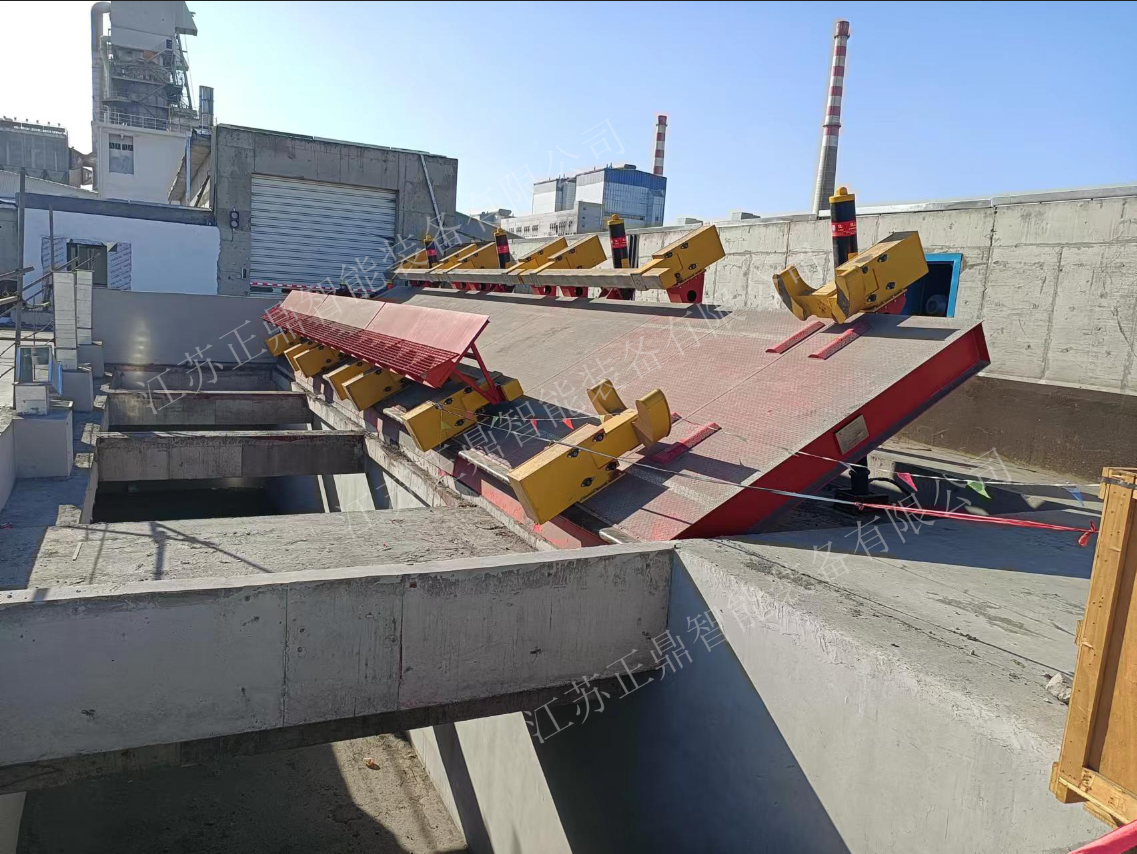
У сучасному конкурентному промисловому середовищі підприємства постійно оцінюють ефективність операцій та їхню вартість. Одне з ключових рішень, з яким стикаються багато компаній, полягає у виборі між автоматизованими системами розвантаження вантажівок та традиційними методами ручної праці для операцій з обробки матеріалів. Це порівняння виходить за межі простих первинних витрат і включає довгострокові показники продуктивності, покращення безпеки та загальні розрахунки повернення інвестицій, які можуть суттєво вплинути на ваш кінцевий фінансовий результат.
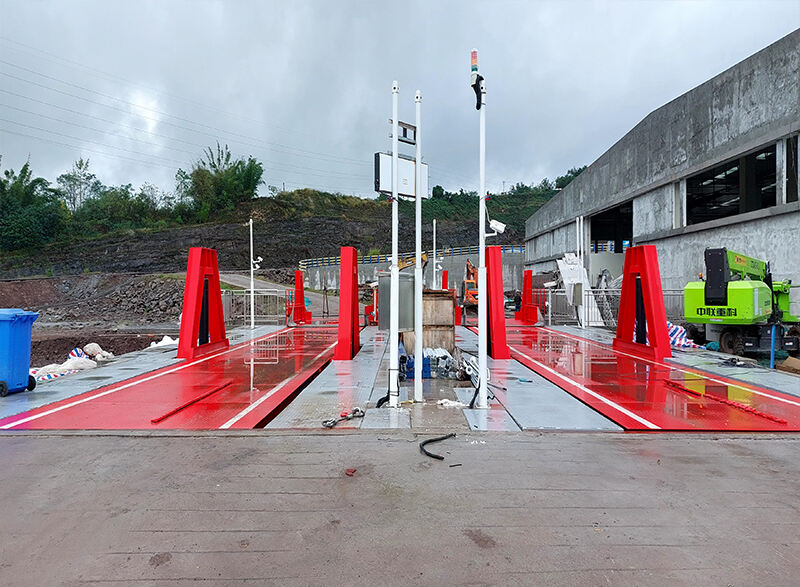
Еволюція від ручної праці до автоматизованих систем означає більше, ніж технічний прогрес; це свідчить про стратегічний перехід до сталого операційного вдосконалення. Сучасне обладнання для розвантаження вантажівок забезпечує безпрецедентний рівень ефективності, водночас вирішуючи ключові проблеми робочої сили, зокрема нестачу працівників, питання безпеки та зростання витрат на заробітну плату. Розуміння цих чинників є важливим для прийняття обґрунтованих інвестиційних рішень, які відповідають цілям росту вашої компанії та її операційним вимогам.
Аналіз початкових вкладень
Витрати на капітальне обладнання
Покупка розвантажувача для вантажівки є значним капіталовкладенням, яке зазвичай коливається від 150 000 до 500 000 доларів США залежно від специфікацій і можливостей. Цей початковий витрат включає базове обладнання, вартість установки, електричні підключення та необхідні роботи з підготовки майданчика. Хоча первинна вартість здається значною, це вкладення слід оцінювати на тлі сукупних витрат на ручну працю протягом строку експлуатації обладнання, який часто становить 15–20 років за належного технічного обслуговування.
Додаткові аспекти включають варіанти фінансування, переваги податкової амортизації та потенційні державні стимули для інвестицій у автоматизацію. Багато виробників пропонують гнучкі умови оплати та орендні угоди, що можуть зменшити початковий вплив на грошові потоки, забезпечуючи при цьому негайну експлуатаційну вигоду. Розрахунок сукупної вартості володіння повинен включати витрати на встановлення, потреби у навчанні персоналу та інтеграцію з існуючою інфраструктурою об'єкта для забезпечення точності фінансових прогнозів.
Вимоги до інвестицій у ручну працю
Ручні операції розвантаження вимагають постійних витрат на робочу силу, включаючи заробітну плату, пільги, страхування та витрати на навчання. Типова бригада ручного розвантаження складається з 3–4 працівників на зміну, а щорічні пакети оплати часто перевищують 45 000 доларів США на одного працівника, включаючи медичне страхування, страхову виплату працівникам та інші обов’язкові пільги. Ці витрати зростають з часом через інфляцію зарплат, підвищення пільг та потенційну необхідність понаднормової роботи в періоди пікового навантаження.
Окрім прямих витрат на працю, ручні операції потребують постійних інвестицій у засоби безпеки, програми навчання та нагляд з боку керівників. Приховані витрати, пов’язані з плинністю кадрів, набором нових працівників і їх навчанням, можуть стати значними витратами, які повністю виключають автоматизовані системи. Крім того, для ручних операцій часто потрібно мати більший резерв працівників, щоб врахувати лікарняні, відпустки та коливання сезонного попиту.
Метрики операційної ефективності
Швидкість обробки та продуктивність
Сучасний розгрузчик вантажного автомобіля системи демонструють значні переваги у продуктивності порівняно з ручними методами, зазвичай переробляючи 300–500 тонн на годину проти 50–100 тонн на годину при роботі ручних бригад за оптимальних умов. Це значне підвищення продуктивності безпосередньо збільшує пропускну здатність об'єкта, скорочує час очікування вантажівок і підвищує задоволення клієнтів завдяки швидшому циклу обробки.
Автоматизовані системи забезпечують стабільну продуктивність незалежно від погодних умов, зміни змін або втому працівників, що часто впливає на ручні операції. Надійність механічних систем гарантує передбачуваний графік переробки, що дозволяє краще планувати логістику та ефективніше розподіляти ресурси в межах діяльності об'єкта. Ця стабільність особливо важлива в пікові сезони, коли ручні бригади можуть мати труднощі з підтриманням оптимального рівня продуктивності під тиском.
Стандарти якості та точності
Обладнання для розвантаження вантажівок забезпечує високу точність обробки матеріалів у порівнянні з ручними методами, зменшуючи пошкодження продуктів, ризики забруднення та втрати через розсипання, що може впливати на прибутковість. Автоматизовані системи включають датчики та механізми керування, які забезпечують стабільні процедури розвантаження та мінімізують втрати матеріалів за рахунок точного позиціонування та контрольованих швидкостей вивантаження.
Стандартизовані процеси, притаманні автоматизованим системам, усувають змінні людські помилки, які можуть порушити стандарти якості при ручній обробці. Ця надійність особливо важлива під час обробки чутливих матеріалів або продуктів, що вимагають специфічних протоколів поводження. Стабільна якість результатів сприяє кращому управлінню запасами, зниженню рівнів відбракування та поліпшенню показників задоволеності клієнтів за всіма експлуатаційними параметрами.
Міркування щодо праці та безпеки
Покращення безпеки на робочому місці
Безпека є критичним фактором при розрахунку ROI, оскільки автоматизовані системи розвантаження вантажівок значно зменшують ризики травмування на робочому місці порівняно з ручними операціями. Ручне розвантаження піддає працівників ризику отримання травм від повторюваних навантажень, пошкоджень від ковзання та падіння, нещасних випадків, пов’язаних із устаткуванням, а також респіраторних проблем через пил під час операцій з обробки матеріалів.
Впровадження автоматизованих систем виключає пряму взаємодію працівників із важкими матеріалами та небезпечними умовами, суттєво зменшуючи кількість позовів за страхуванням працівників, медичних витрат та потенційної відповідальності. Покращена безпека сприяє кращим тарифам страхування, зменшенню витрат на дотримання нормативних вимог і створює більш привабливе робоче середовище для залучення та утримання кваліфікованих працівників на конкурентному ринку праці.
Переваги управління персоналом
Автоматизовані установки для розвантаження вантажівок дозволяють перерозподілити робочу силу на більш цінні види діяльності, зокрема контроль якості, технічне обслуговування обладнання, управління запасами та функції обслуговування клієнтів. Таке стратегічне перепрофілювання підвищує загальну ефективність операцій і створює можливості кар'єрного зростання для діючих працівників, які інакше виконували б повторювані ручні завдання.
Зменшення залежності від ручної праці забезпечує операційну гнучкість у періоди нестачі робочої сили або сезонних коливань доступності персоналу. Компанії, що використовують автоматизовані системи, повідомляють про покращення задоволеності працівників, зниження рівня текучості кадрів та посилення можливостей залучення фахівців під час конкуренції за кваліфікованих працівників на стиснутому ринку праці. Ця стабільність сприяє довгостроковій оперативній послідовності та зменшенню витрат, пов’язаних із навчанням.
Довгостроковий фінансовий вплив
Порівняння експлуатаційних витрат
Протягом типового 15-річного експлуатаційного періоду системи автоматичного розвантаження вантажівок демонструють суттєві переваги у витратах завдяки зниженим витратам на робочу силу, підвищеній ефективності та меншим потребам у технічному обслуговуванні порівняно з еквівалентними ручними операціями. Щорічні експлуатаційні витрати на автоматизовані системи складаються переважно з електроенергії, планового технічного обслуговування та періодичної заміни компонентів і зазвичай становлять від 25 000 до 40 000 доларів щороку залежно від рівня використання.
Ручні операції стикаються з постійним зростанням витрат через інфляцію заробітних плат, збільшення виплат соціальних пакетів та необхідність розширення штату для задоволення зростаючих операційних потреб. Нагромадження цих чинників часто призводить до того, що витрати на ручні операції перевищують витрати на автоматизовані системи вже протягом 5–7 років, а розрив значно збільшується за довші часові проміжки, оскільки витрати на робочу силу продовжують зростати, тоді як витрати на обладнання залишаються відносно стабільними.
Можливості для збільшення доходів
Покращені обчислювальні можливості, забезпечені системами розвантаження вантажівок, створюють можливості для збільшення доходів за рахунок розширення кількості клієнтів, скорочення часу обслуговування та підвищення надійності операцій. Об'єкти, оснащені автоматизованими системами, часто можуть домовлятися про підвищені ціни завдяки вищому рівню обслуговування та гарантованим термінам обробки замовлень, які неможливо стабільно забезпечити при ручній роботі.
Конкурентні переваги, які дають автоматизовані системи, сприяють розширенню ринку та утриманню клієнтів, що безпосередньо сприяє зростанню доходів. Компанії повідомляють про покращення показників задоволеності клієнтів, зменшення скарг, пов’язаних із затримками обслуговування, та підвищення репутації в межах своїх галузей після впровадження автоматизації. Ці якісні переваги перетворюються на вимірювані фінансові результати через зростання обсягів бізнесу та лояльність клієнтів.
Чинники впровадження та інтеграції
Вимоги до адаптації технологій
Успішне впровадження системи розвантаження вантажівок потребує ретельного планування інтеграції технологій із наявними системами об'єкта, включаючи управління запасами, координацію логістики та процеси контролю якості. Сучасні автоматизовані системи пропонують досконалі інтерфейси керування та можливості збору даних, що підвищують загальну прозорість операційної діяльності та ефективність прийняття рішень.
Період освоєння автоматизованої системи, як правило, коротший, ніж термін навчання для ручних процесів, оскільки оператори в основному контролюють роботу обладнання, а не виконують фізичну працю. Комплексні програми навчання, які надають виробники обладнання, забезпечують швидку адаптацію персоналу та максимально ефективне використання системи з першого дня її впровадження.
Масштабування та стратегічне планування
Автоматизовані системи розвантаження вантажівок забезпечують внутрішні переваги масштабування для зростаючого бізнесу, оскільки збільшення обсягів можна часто забезпечити за рахунок подовження робочих годин або незначних модифікацій системи замість пропорційного розширення робочої сили. Ця гнучкість підтримує зростання бізнесу, зберігаючи постійну вартість обробки одиниці продукції незалежно від коливань обсягів.
Майбутні технологічні досягнення в галузі автоматизації, сенсорних технологій та систем керування часто можуть бути інтегровані в існуюче обладнання шляхом модернізації, що продовжує термін його ефективного використання та зберігає конкурентні переваги з часом. Ручні операції не мають такого потенціалу для оновлення й стають все менш ефективними порівняно з поступово підвищуючими стандартами технологій у галузі.
ЧаП
Який типовий період окупності інвестицій у розвантажувачі вантажівок
Більшість установок для розвантаження вантажівок окуповуються протягом 3–5 років завдяки економії на витратах на оплату праці, підвищенню ефективності та зменшенню експлуатаційних витрат. Точний термін залежить від поточних витрат на оплату праці, обсягів переробки та конкретних можливостей обладнання, однак об’єкти, що переробляють понад 100 000 тонн щороку, як правило, отримують швидший повернення інвестицій.
Як автоматизація впливає на витрати на страхування та відповідальність
Автоматизовані системи розвантаження вантажівок, як правило, знижують страхові премії на 15–30% завдяки покращенню показників безпеки та зменшенню кількості заяв на травми працівників. Зниження ризиків відповідальності та менша кількість випадків, що підлягають вирівнюванню за рахунок робочого місця, сприяють значній економії у довгостроковій перспективі, що суттєво підвищує загальну рентабельність інвестицій.
Чи можна модернізувати існуючі об’єкти, встановивши системи автоматичного розвантаження
Так, більшість існуючих об'єктів можуть прийняти установки для розвантаження вантажівок за умови належної інженерної оцінки та підготовки майданчика. Проекти модернізації зазвичай потребують 2–4 тижнів для встановлення та введення в експлуатацію, забезпечуючи мінімальні перебої в поточній діяльності, якщо їх належно сплановано та узгоджено з досвідченими монтажними бригадами.
Які вимоги до технічного обслуговування мають автоматизовані системи порівняно з ручними операціями
Автоматизовані системи розвантаження вантажівок потребують планового профілактичного обслуговування кожні 200–500 годин роботи, головним чином передбачаючи змащення, перевірку та заміну компонентів. Ці витрати, як правило, нижчі, ніж поточні витрати, пов’язані з ручною працею, включаючи навчання, нагляд та витрати на управління персоналом.
Зміст
- Аналіз початкових вкладень
- Метрики операційної ефективності
- Міркування щодо праці та безпеки
- Довгостроковий фінансовий вплив
- Чинники впровадження та інтеграції
-
ЧаП
- Який типовий період окупності інвестицій у розвантажувачі вантажівок
- Як автоматизація впливає на витрати на страхування та відповідальність
- Чи можна модернізувати існуючі об’єкти, встановивши системи автоматичного розвантаження
- Які вимоги до технічного обслуговування мають автоматизовані системи порівняно з ручними операціями