 EN
EN
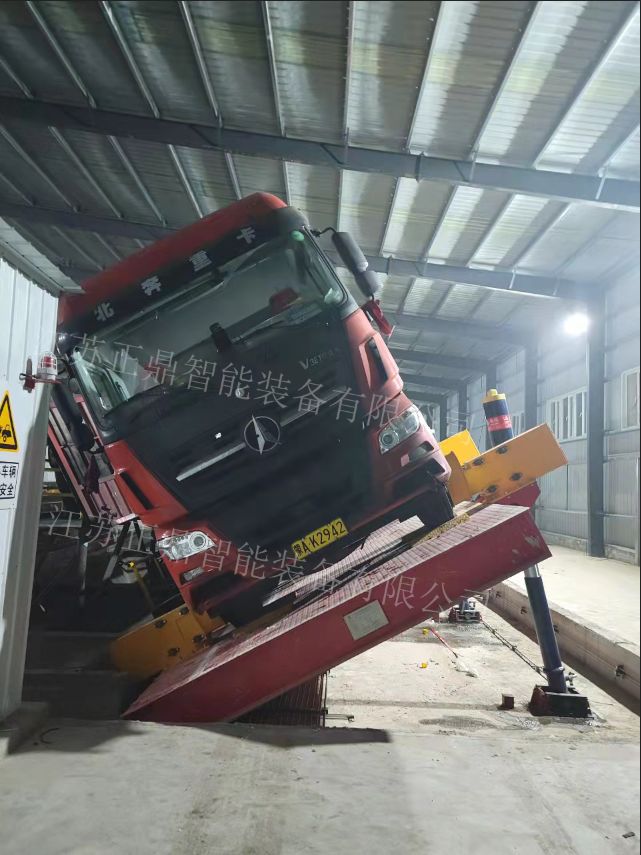
ສະຖານທີ່ອຸດສາຫະກຳໃນທຸກຂະແໜງການການຜະລິດ, ການຈັດສົ່ງ ແລະ ການກໍ່ສ້າງ ກຳລັງເຫັນຄຸນຄ່າທີ່ສຳຄັນຂອງລະບົບການຈັດການວັດຖຸທີ່ມີປະສິດທິພາບຫຼາຍຂຶ້ນ. ລະບົບການຖອດສິນຄ້າຈາກລົດບັນທຸກເປັນວິທີແກ້ໄຂທີ່ປ່ຽນແປງທັງໝົດ ເຊິ່ງສາມາດຫຼຸດຜ່ອນຕົ້ນທຶນດ້ານການດຳເນີນງານໄດ້ຢ່າງຫຼວງຫຼາຍ ໃນເວລາດຽວກັນກໍ່ຍັງເພີ່ມຄວາມປອດໄພໃນທີ່ເຮັດວຽກ ແລະ ປະສິດທິຜົນ. ລະບົບເຄື່ອງຈັກທີ່ສຸກເສີນເຫຼົ່ານີ້ໄດ້ພັດທະນາຢ່າງຫຼວງຫຼາຍໃນຊ່ວງສິບປີທີ່ຜ່ານມາ ໂດຍການນຳເອົາເຕັກໂນໂລຊີໄຮໂດຣລິກທີ່ທັນສະໄໝ ແລະ ລະບົບຄວບຄຸມອັດຕະໂນມັດເຂົ້າໃນການນຳໃຊ້ ເຊິ່ງເຮັດໃຫ້ລະບົບເຫຼົ່ານີ້ກາຍເປັນສິ່ງທີ່ຈຳເປັນຕໍ່ການດຳເນີນງານອຸດສາຫະກຳທີ່ທັນສະໄໝ.
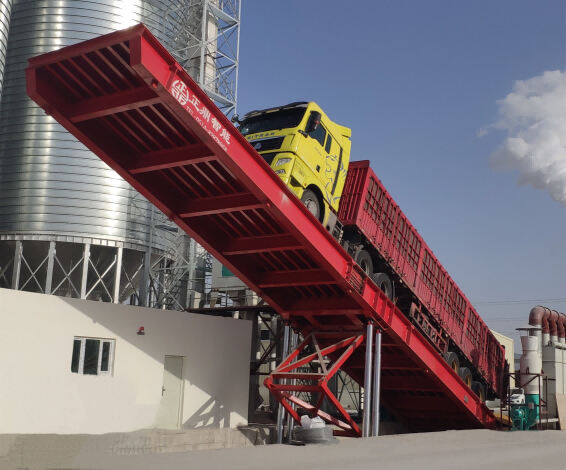
ຕະຫຼາດໂລກສຳລັບເຄື່ອງຖອນສິນຄ້າຈາກລົດບັນທຸກໄດ້ປະສົບກັບການເຕີບໂຕຢ່າງຫຼວງຫຼາຍ ເນື່ອງຈາກຄວາມຕ້ອງການທີ່ເພີ່ມຂຶ້ນຕໍ່ວິທີແກ້ໄຂການຈັດການວັດຖຸອັດຕະໂນມັດ ແລະ ຂໍ້ບັງຄັບດ້ານຄວາມປອດໄພທີ່ເຂັ້ມງວດ. ສະຖານທີ່ຜະລິດທີ່ປຸງແຕ່ງວັດຖຸຈຳນວນໃຫຍ່, ບໍລິສັດກໍ່ສ້າງທີ່ຈັດການວັດຖຸລວມ (aggregate materials), ແລະ ສູນການຈັດສົ່ງທີ່ຈັດການການຂົນສົ່ງສິນຄ້າປະລິມານໃຫຍ່ ໄດ້ລົງທຶນຢ່າງຫຼວງຫຼາຍໃນລະບົບເຫຼົ່ານີ້. ການເຂົ້າໃຈປະເພດຕ່າງໆ, ຂໍ້ກຳນົດດ້ານເຕັກນິກ, ແລະ ເງື່ອນໄຂການເລືອກຊື້ ແມ່ນມີຄວາມສຳຄັນຢ່າງຍິ່ງໃນການຕັດສິນໃຈຊື້ທີ່ມີຂໍ້ມູນພຽງພໍ ເພື່ອໃຫ້ເຂົ້າກັບຄວາມຕ້ອງການດ້ານການດຳເນີນງານທີ່ເຈາະຈົງ.
ການເຂົ້າໃຈເທັກໂນໂລຊີຂອງເຄື່ອງຖອນສິນຄ້າຈາກລົດບັນທຸກ
ລະບົບໄຮໂດຣລິກ ແລະ ເຄື່ອງຈັກໃຫ້ພະລັງງານ
ລະບົບການຖອດສິນຄ້າອັດຕະໂນມັດສຳລັບເວີເຄີລ໌ທີ່ທັນສະໄໝໃຊ້ເຄື່ອງຈັກຮາງວາງທີ່ສັບສົນ ເຊິ່ງໃຫ້ການຄວບຄຸມທີ່ແນ່ນອນຕໍ່ມຸມການຍົກຂຶ້ນ ແລະ ອັດຕາການເທີ້ງ. ເຄື່ອງຈັກຮາງວາງປົກກະຕິມີພະລັງງານຈາກ 15 ເຖິງ 50 ແຮັກສີ, ຂຶ້ນກັບຄວາມຈຸກັບສູງສຸດ ແລະ ຄວາມຕ້ອງການດ້ານການດຳເນີນງານ. ລະບົບເຫຼົ່ານີ້ມີປັ້ມຄວບຄຸມຄວາມໄວໆຕ່າງໆ ເຊິ່ງຊ່ວຍໃຫ້ຜູ້ປະຕິບັດງານສາມາດປັບອັດຕາການຍົກຂຶ້ນຕາມລັກສະນະຂອງວັດຖຸ ແລະ ຄຳນຶງເຖິງຄວາມປອດໄພ.
ສູບຮາງວາງທີ່ໃຊ້ໃນການຖອດສິນຄ້າຈາກເວີເຄີລ໌ຖືກອອກແບບມາເພື່ອຮັບມືກັບຄວາມກົດດັນທີ່ຮຸນແຮງ ແລະ ວຟິການດຳເນີນງານຢ່າງຕໍ່ເນື່ອງ. ລະບົບສ່ວນຫຼາຍມີການຈັດຕັ້ງສູບຄູ່ ເຊິ່ງຮັບປະກັນການຍົກທີ່ສົມດຸນ ແລະ ປ້ອງກັນການເຄື່ອນທີ່ດ້ານຂ້າງໃນຂະນະທີ່ກຳລັງຖອດສິນຄ້າ. ລະບົບທີ່ທັນສະໄໝກວ່ານີ້ມີເຕັກໂນໂລຢີການຮັບຮູ້ນ້ຳໜັກ ເຊິ່ງປັບຄວາມກົດດັນຮາງວາງອັດຕະໂນມັດຕາມນ້ຳໜັກທີ່ກຳລັງຍົກຢູ່ຈິງ, ເພື່ອເພີ່ມປະສິດທິພາບການໃຊ້ພະລັງງານ ແລະ ຍືດເວລາອາຍຸການໃຊ້ງານຂອງຊິ້ນສ່ວນ.
ລະບົບການຄວບຄຸມ ແລະ ຄຸນລັກສະນະດ້ານຄວາມປອດໄພ
ການອອກແບບເຄື່ອງຖອດສິນຄ້າຈາກລົດບັນທຸກໃນປະຈຸບັນ ປະກອບດ້ວຍ ແຜ່ນຄວບຄຸມທີ່ຊັບຊ້ອນ ເຊິ່ງໃຫ້ຜູ້ປະຕິບັດງານມີຄວາມສາມາດໃນການຕິດຕາມການເຮັດວຽກຢ່າງເຕັມຮູບແບບ. ຈໍສະແດງດິຈິຕອນສະແດງຂໍ້ມູນຈິງໃນເວລາຈິງ ລວມທັງ ມຸມການຍົກ, ຄວາມກົດດັນຂອງນ້ຳມັນລະບົບໄຮໂດຣລິກ, ອຸນຫະພູມຂອງລະບົບ, ແລະ ຈຳນວນວຟງການທີ່ເຮັດໄດ້. ລະບົບຄວບຄຸມເຫຼົ່ານີ້ ມັກມີການຕັ້ງຄ່າໆ ທີ່ເກັບໄວ້ໃນໜ່ວຍຄວາມຈຳ ເຊິ່ງສາມາດຈື່ຄ່າການຕັ້ງຄ່າທີ່ຕ້ອງການສຳລັບປະເພດລົດຕ່າງໆ ແລະ ການຈັດແຕ່ງສິນຄ້າທີ່ແຕກຕ່າງກັນ.
ເຄື່ອງກົງປ້ອງກັນຄວາມປອດໄພເປັນສ່ວນປະກອບທີ່ສຳຄັນຫຼາຍຂອງລະບົບເຄື່ອງຖອດສິນຄ້າຈາກລົດບັນທຸກໃນປະຈຸບັນ. ຟັງຊັນການຢຸດເຄື່ອງເປັນການສຸດທ້າຍ, ວົງຈອນປ້ອງກັນການບັນທຸກເກີນ, ແລະ ຄຸນສົມບັດການກັບຄືນໄປສູ່ຕຳແໜ່ງກາງອັດຕະໂນມັດ ສາມາດປ້ອງກັນບໍ່ໃຫ້ເຄື່ອງຈັກເສຍຫາຍ ແລະ ຮັບປະກັນຄວາມປອດໄພຂອງຜູ້ປະຕິບັດງານ. ລະບົບຫຼາຍຊະນິດຍັງມີເຊັນເຊີທີ່ສາມາດຮັບຮູ້ໄດ້ເຖິງຕຳແໜ່ງຂອງລົດ ແລະ ປ້ອງກັນການເຮັດວຽກເມື່ອລົດບັນທຸກບໍ່ໄດ້ຈັດຕັ້ງໃຫ້ຢູ່ໃນຕຳແໜ່ງທີ່ຖືກຕ້ອງກັບເວທີຖອດສິນຄ້າ.
ປະເພດ ແລະ ການຈັດປະເພດຂອງເຄື່ອງຖອດສິນຄ້າຈາກລົດບັນທຸກ
ລະບົບເວທີຖາວອນ
ເວທີເປີດບ່ອນຂົນສົ່ງທີ່ຢູ່ຖາວອນ ແມ່ນຮູບແບບທີ່ພົບເຫັນທົ່ວໄປທີ່ສຸດສຳລັບການຕິດຕັ້ງຖາວອນ. ລະບົບເຫຼົ່ານີ້ມີເວທີເຫຼັກທີ່ຖືກຕິດຕັ້ງຢູ່ຖາວອນ ແລະ ມີເຄື່ອງຍົກທີ່ໃຊ້ໄຟຟ້າເປັນຕົວຂັບເຄື່ອນ ເຊິ່ງສາມາດຮັບມືກັບຂະໜາດ ແລະ ຮູບແບບຂອງລົດບັນທຸກທີ່ແຕກຕ່າງກັນ. ມີຕົວເລກຂະໜາດຂອງເວທີທີ່ປົກກະຕິແມ່ນຢູ່ໃນລະດັບ 12 ຫາ 16 ໂຟຟີຕ໌ ສຳລັບຄວາມກວ້າງ ແລະ 35 ຫາ 45 ໂຟຟີຕ໌ ສຳລັບຄວາມຍາວ, ເຊິ່ງໃຫ້ພື້ນທີ່ທີ່ເໝາະສົມສຳລັບລົດເຄື່ອງຈັກທົ່ວໄປ.
ຄວາມສາມາດໃນການຍົກຂອງເວທີທີ່ຢູ່ຖາວອນແຕກຕ່າງກັນຢ່າງຫຼາຍ, ໂດຍຮູບແບບທົ່ວໄປສາມາດຮັບນ້ຳໜັກໄດ້ລະຫວ່າງ 60,000 ຫາ 80,000 ປອນ. ຮູບແບບທີ່ມີຄວາມແຂງແຮງສູງສາມາດຮັບນ້ຳໜັກທັງໝົດຂອງລົດ (GVW) ທີ່ເກີນ 100,000 ປອນ, ເຮັດໃຫ້ເຫມາະສຳລັບການນຳໃຊ້ທີ່ເປັນເລື່ອງເປັນພິເສດ ເຊິ່ງກ່ຽວຂ້ອງກັບອຸປະກອນທີ່ມີຂະໜາດໃຫຍ່ເກີນໄປ ຫຼື ວັດຖຸທີ່ໝົດເປີ້ມຫຼາຍເກີນໄປ. ຊ່ວງມຸມການຍົກປົກກະຕິແມ່ນຢູ່ລະຫວ່າງ 0 ຫາ 50 ອົງສາ, ເຊິ່ງໃຫ້ຄຸນສົມບັດໃນການເທໃສ່ທີ່ດີທີ່ສຸດສຳລັບວັດຖຸທີ່ແຕກຕ່າງກັນ.
ວິທີແກ້ໄຂທີ່ເคลື່ອນໄຫວ ແລະ ພາດທີ່ສາມາດນຳໄປໃຊ້ໄດ້
ລະບົບເຄື່ອງຖອນສິນຄ້າຈາກລົດບັນທຸກທີ່ເคลື່ອນໄຫວໄດ້ ແມ່ນໃຫ້ຄວາມຍືດຫຍຸ່ນສຳລັບການດຳເນີນງານທີ່ຕ້ອງການການຍ້າຍອຸປະກອນ ຫຼື ການຕິດຕັ້ງຊົ່ວຄາວ. ເຄື່ອງເຫຼົ່ານີ້ມີໂຄງສ້າງເປັນລົດທີ່ມີລ້ອມ ຫຼື ມີລາວເລື່ອນ (track-mounted) ເຊິ່ງຊ່ວຍໃຫ້ເຄື່ອງສາມາດເຄື່ອນຍ້າຍໄປຫາສະຖານທີ່ເຮັດວຽກທີ່ແຕກຕ່າງກັນ ຫຼື ເຂດເກັບຮັກສາ. ລະບົບໄຮໂດຣລິກຂອງເຄື່ອງທີ່ເຄື່ອນໄຫວໄດ້ ໂດຍທົ່ວໄປຈະມີແຫຼ່ງພະລັງງານເອງ ເຊິ່ງລວມເຖິງເຄື່ອງຈັກດີເຊວ ຫຼື ເຄື່ອງຂັບເຄື່ອນດ້ວຍມໍເຕີໄຟຟ້າທີ່ໄດ້ຮັບພະລັງງານຈາກລະບົບແບດເຕີຣີ່ທີ່ຕິດຕັ້ງຢູ່ໃນຕົວເຄື່ອງ.
ຮູບແບບເຄື່ອງຖອນສິນຄ້າຈາກລົດບັນທຸກທີ່ພາດໄດ້ (portable) ແມ່ນໃຫ້ທາງເລືອກທີ່ເປັນເອກະສານສຳລັບການດຳເນີນງານທີ່ມີຂະໜາດນ້ອຍ ຫຼື ສຳລັບການນຳໃຊ້ໃນລະດູການ. ລະບົບເຫຼົ່ານີ້ໂດຍທົ່ວໄປມີການອອກແບບແບບປະກອບ (modular) ເຊິ່ງຊ່ວຍໃຫ້ການຕິດຕັ້ງ ແລະ ຖອນອອກໄດ້ຢ່າງງ່າຍດາຍເພື່ອການຂົນສົ່ງ. ເຖິງແນວໃດກໍຕາມ ຄວາມສາມາດໃນການຍົກຂອງເຄື່ອງເຫຼົ່ານີ້ຍັງຄົງມີຄວາມແຂງແຮງສູງ, ໂດຍສາມາດຍົກໄດ້ຈົນເຖິງ 40,000 ປອນດ໌ (pounds) ແລະ ຍັງຄົງຮັກສາຄຸນສົມບັດດ້ານຄວາມປອດໄພທີ່ເທົ່າເທີມກັບການຕິດຕັ້ງຖາວອນ.
ເງື່ອນໄຂສຳຄັນໃນການເລືອກ ແລະ ຂໍ້ກຳນົດດ້ານເຕັກນິກ
ຄວາມສາມາດໃນການຮັບນ້ຳໜັກ ແລະ ຄວາມເຂົ້າກັນໄດ້ກັບລົດ
ການກຳນົດຄວາມຈຸ່້າຂອງແຮງທີ່ເໝາະສົມ ແມ່ນປັດໄຈທີ່ສຳຄັນທີ່ສຸດໃນການເລືອກເຄື່ອງຖອດສິນຄ້າຈາກລົດບັນທຸກ. ຜູ້ປະຕິບັດງານຈະຕ້ອງພິຈາລະນາບໍ່ພຽງແຕ່ນ້ຳໜັກລວມສູງສຸດຂອງລົດເທົ່ານັ້ນ, ແຕ່ຍັງຈະຕ້ອງພິຈາລະນາການແຈກຢາຍນ້ຳໜັກດັ່ງກ່າວທົ່ວທັງໝົດເຖິງເຂດໜ້າຈັກຂອງເຄື່ອງຖອດສິນຄ້າອີກດ້ວຍ. ຄວາມ ຫຼັກສິດຕົ້ນ ຈຸ່້າຂອງເຄື່ອງຖອດສິນຄ້າຄວນຈະເກີນນ້ຳໜັກທີ່ໜັກທີ່ສຸດທີ່ຄາດວ່າຈະເກີດຂຶ້ນຢ່າງໜ້ອຍ 20% ເພື່ອຮັບປະກັນຄວາມປອດໄພໃນການປະຕິບັດງານ ແລະ ຄຳນຶງເຖິງສະພາບການທີ່ເກີດຂຶ້ນຈາກການຍົກທີ່ມີການປ່ຽນແປງ (dynamic loading conditions) ໃນຂະນະທີ່ກຳລັງຍົກ.
ຄວາມເຂົ້າກັນໄດ້ຂອງລົດບໍ່ໄດ້ຈຳກັດຢູ່ເທິງພຽງແຕ່ການພິຈາລະນານ້ຳໜັກເທົ່ານັ້ນ ແຕ່ຍັງລວມເຖິງຄວາມຕ້ອງການດ້ານມິຕິ (dimensional requirements) ແລະ ຂໍ້ກຳນົດດ້ານຊ່ອງຫວ່າງ (clearance specifications) ອີກດ້ວຍ. ຄວາມຍາວຂອງເຂດໜ້າຈັກຈະຕ້ອງສາມາດຮັບນ້ຳໜັກລະຫວ່າງລ້ອມ (wheelbase) ຂອງລົດທີ່ເປົ້າໝາຍໄດ້ ແລະ ຍັງຈະຕ້ອງມີຊ່ອງຫວ່າງທີ່ເໝາະສົມສຳລັບມຸມເຂົ້າ (approach angles) ແລະ ມຸມອອກ (departure angles). ຂໍ້ກຳນົດດ້ານຄວາມກວ້າງຈະເປັນສິ່ງທີ່ສຳຄັນເປັນພິເສດເມື່ອຈັດການກັບລົດທີ່ບັນທຸກສິນຄ້າກວ້າງ ຫຼື ລົດບັນທຸກທີ່ມີແຜ່ນກະຈົກຂ້າງທີ່ຍາວ ແລະ ອຸປະກອນເພີ່ມເຕີມອື່ນໆ.
ຂໍ້ກຳນົດການຕິດຕັ້ງ ແລະ ການກຽມພ້ອມສະຖານທີ່
ການຕິດຕັ້ງລະບົບເຄື່ອງຖອນສິນຄ້າຈາກລົດບັນທຸກຢ່າງຖືກຕ້ອງ ຕ້ອງມີການປະເມີນແລະການກຽມພ້ອມສະຖານທີ່ຢ່າງລະອອຍ. ຂໍ້ກຳນົດຂອງຮາກຖານມັກຈະປະກອບດ້ວຍແຜ່ນເຊີເມັນທີ່ເສີມດ້ວຍເຫຼັກ ທີ່ມີຄວາມເລິກຈາກ 4 ເຖິງ 8 ແຟັດ ຂຶ້ນກັບສະພາບດິນໃນທ້ອງຖິ່ນ ແລະຂໍ້ກຳນົດຂອງລະບົບ. ເຊີເມັນຕ້ອງມີຄວາມແຂງແຮງໃນການຮັບຄວາມກົດຕ່ຳສຸດ 3,000 PSI ແລະຕ້ອງມີຮູບແບບຂອງບີມເປັກທີ່ຖືກຕ້ອງ ເຊິ່ງຕ້ອງສອດຄ່ອງກັບຂໍ້ກຳນົດຂອງຜູ້ຜະລິດ.
ສະຖາປັດຕະຍາການດ້ານໄຟຟ້າເປັນອີກປັດໄຈໜຶ່ງທີ່ສຳຄັນຫຼາຍໃນການຕິດຕັ້ງ. ລະບົບເຄື່ອງຖອນສິນຄ້າຈາກລົດບັນທຸກສ່ວນຫຼາຍຕ້ອງການໄຟຟ້າສາມເຟສ (Three-phase) ທີ່ມີຄ່າຄວາມຕ້ານທາງໄຟຟ້າລະຫວ່າງ 230 ເຖິງ 480 ໂວນ. ແຜງໄຟຟ້າຕ້ອງຖືກຈັດວາງໃນໄລຍະທີ່ເໝາະສົມຈາກເວທີ ແຕ່ຍັງຄົງຮັກສາຄວາມສາມາດໃນການເຂົ້າເຖິງເພື່ອການບໍາລຸງຮັກສາ ແລະ ການປິດລະບົບຢ່າງສຸດວິໄສໃນເວລາເກີດເຫດສຸກເສີນ. ນອກຈາກນີ້ ຄວນຕິດຕັ້ງໄຟສະຫວ່າງ ແລະ ລະບົບສື່ສານທີ່ເໝາະສົມເພື່ອສະໜັບສະໜູນການດຳເນີນງານຢ່າງປອດໄພໃນເວລາກາງຄືນ.
ປະໂຫຍດໃນການດຳເນີນງານ ແລະ ການວິເຄາະອັດຕາຜົນຕອບແທນ (ROI)
ການຫຼຸດຜ່ອນຕົ້ນທຶນແຮງງານ ແລະ ການເພີ່ມປະສິດທິພາບ
ການຈັດຕັ້ງປະຕິບັດລະບົບເຄື່ອງຖອນສິນຄ້າຈາກລົດບັນທຸກມັກຈະສ້າງໃຫ້ເກີດການຫຼຸດລົງຢ່າງຫຼວງຫຼາຍໃນຕົ້ນທຶນແຮງງານ ເມື່ອທຽບກັບວິທີການຖອນສິນຄ້າດ້ວຍມື. ການດຳເນີນງານຖອນສິນຄ້າດ້ວຍມືແບບດັ້ງເດີມມັກຈະຕ້ອງໃຊ້ພະນັກງານຫຼາຍຄົນ ແລະ ເວລາທີ່ຍາວນານ ໂດຍເປີດເຜີຍເປັນພິເສດເມື່ອຈັດການກັບວັດຖຸທີ່ເປັນກຸ່ມ (bulk materials) ຫຼື ສ່ວນປະກອບທີ່ໜັກ. ລະບົບເຄື່ອງຖອນສິນຄ້າຈາກລົດບັນທຸກທີ່ເປັນອັດຕະໂນມັດສາມາດປະຕິບັດວັດຖຸໄດ້ໃນເວລາບໍ່ເຖິງຊົ່ວໂມງ ແທນທີ່ຈະເປັນຊົ່ວໂມງ, ເຊິ່ງເຮັດໃຫ້ພະນັກງານມີເວລາວ່າງເພື່ອເຮັດກິດຈະກຳອື່ນໆທີ່ເປັນປະໂຫຍດ.
ຜົນປະໂຫຍດດ້ານປະສິດທິພາບບໍ່ໄດ້ຈຳກັດຢູ່ເທິງພຽງແຕ່ການປະຢັດເວລາເທົ່ານັ້ນ ແຕ່ຍັງລວມເຖິງຄວາມຖືກຕ້ອງທີ່ດີຂຶ້ນໃນການຈັດການວັດຖຸ ແລະ ການຫຼຸດລົງຂອງຄວາມເສຍຫາຍຕໍ່ຜະລິດຕະພັນ. ວິທີການຖອນສິນຄ້າດ້ວຍມືມັກຈະເຮັດໃຫ້ເກີດການລົ້ນ, ການປົນເປືືອນ ຫຼື ຄວາມເສຍຫາຍຕໍ່ວັດຖຸທີ່ອ່ອນໄຫວ. ການຖອນສິນຄ້າດ້ວຍການເທີມດ້ວຍລະບົບໄຮໂດຣລິກທີ່ຄວບຄຸມໄດ້ຢ່າງເປັນລະບົບ ທີ່ມີໃນລະບົບເຄື່ອງຖອນສິນຄ້າຈາກລົດບັນທຸກ ສາມາດຮັບປະກັນການປ່ອຍວັດຖຸອອກຢ່າງນຸ້ມນວນ ແລະ ມີຄວາມຖືກຕ້ອງສູງ ເຊິ່ງຈະຫຼຸດລົງການສູນເສຍ ແລະ ຮັກສາຄຸນນະພາບຂອງຜະລິດຕະພັນໃນທັງໝົດຂອງຂະບວນການຈັດການ.
ການປັບປຸງດ້ານຄວາມປອດໄພ ແລະ ການຫຼຸດຜ່ອນຄວາມສ່ຽງ
ຄວາມປອດໄພໃນທີ່ເຮັດວຽກເປັນປັດໄຈຫຼັກທີ່ຂັບເຄື່ອນການນຳໃຊ້ລະບົບເຄື່ອງຖອນສິນຄ້າຈາກລົດກ່ຽວທີ່ໃຊ້ໃນອຸດສາຫະກຳຕ່າງໆ. ການຖອນສິນຄ້າຈາກລົດດ້ວຍມືເປີດເຜີຍພະນັກງານຕໍ່ອັນຕະລາຍຫຼາຍປະເພດ ເຊັ່ນ: ອາການເຈັບປວດຈາກການຍົກວັດຖຸໜັກ, ອຸບັດຕິເຫດລື້ນລົ້ນ ແລະ ລົ້ມລົງ, ແລະ ການສຳຜັດກັບວັດຖຸອັນຕະລາຍ. ລະບົບເຄື່ອງຖອນສິນຄ້າຈາກລົດທີ່ເປັນອັດຕະໂນມັດຈະກຳຈັດການສຳຜັດໂດຍກົງລະຫວ່າງພະນັກງານກັບວັດຖຸໃນຂະນະການຖອນສິນຄ້າ, ເຊິ່ງຫຼຸດຜ່ອນຄວາມສ່ຽງຕໍ່ການບາດເຈັບແລະຄ່າໃຊ້ຈ່າຍທີ່ກ່ຽວຂ້ອງກັບການຊົດເຊີຍພະນັກງານຢ່າງມີນັກ.
ສະພາບແວດລ້ອມທີ່ຖືກຄວບຄຸມໄດ້ຈາກລະບົບເຄື່ອງຖອນສິນຄ້າຈາກລົດຍັງຫຼຸດຜ່ອນຄວາມສ່ຽງທີ່ກ່ຽວຂ້ອງກັບພາສີທີ່ບໍ່ສະຖຽນ ແລະ ພຶດຕິກຳທີ່ບໍ່ສາມາດທຳนายໄດ້ຂອງວັດຖຸ. ຂະບວນການຍົກຂຶ້ນຢ່າງຊ້າໆ ແລະ ມີການຄວບຄຸມຈະເຮັດໃຫ້ວັດຖຸຕັ້ງຢູ່ຢ່າງເປັນທຳມະຊາດ ແລະ ຈັດແຈງຕົວໃໝ່ຢ່າງເປັນທຳມະຊາດ, ເຊິ່ງປ້ອງກັນການປ່ຽນແປງຢ່າງທັນທີທີ່ອາດເຮັດໃຫ້ລົດບໍ່ສະຖຽນ ຫຼື ເກີດອາການວັດຖຸລົ້ມເທທັບ. ຄຸນສົມບັດການຢຸດເຄື່ອງຢ່າງບັງເອີນ ແລະ ລະບົບປ້ອງກັນອັດຕະໂນມັດຈະໃຫ້ການປ້ອງກັນເພີ່ມເຕີມຕໍ່ການເກີດຂໍ້ບົກຂາດຂອງອຸປະກອນ ຫຼື ຂໍ້ຜິດພາດຈາກຜູ້ປະຕິບັດການ.
ຄຳພິຈາລະນາດ້ານການບຳລຸງຮັກສາ ແລະ ວົງຈອງຊີວິດ
ໂປຣແກຣມການປ້ອງກັນການແຫ່ງ
ໂປແກຼມການບໍາລຸງຮັກສາທີ່ມີປະສິດທິຜົນເປັນສິ່ງຈຳເປັນຢ່າງຍິ່ງເພື່ອໃຫ້ລະບົບການຖອນສິນຄ້າຈາກລົດບັນທຸກມີປະສິດທິພາບສູງສຸດ ແລະ ມີອາຍຸການໃຊ້ງານຍາວນານ. ຂະບວນການການຕີລາຄາປະຈຳວັນຄວນປະກອບດ້ວຍການສັງເກດດ້ວຍຕາຂອງທໍ່ໄຮໂດຣລິກ, ການເຊື່ອມຕໍ່ໄຟຟ້າ, ແລະ ສ່ວນປະກອບທາງໂຄງສ້າງເພື່ອຊອກຫາສັນຍານຂອງການສຶກສາຫຼື ຄວາມເສຍຫາຍ. ຜູ້ປະຕິບັດງານຄວນຕິດຕາມລະດັບ ແລະ ຄຸນນະພາບຂອງນ້ຳມັນໄຮໂດຣລິກ ໂດຍການກວດສອບເພື່ອຊອກຫາສິ່ງປົນເປື້ອນ ຫຼື ການເສື່ອມສະພາບທີ່ອາດຈະສົ່ງຜົນຕໍ່ປະສິດທິພາບຂອງລະບົບ.
ພາລະບົດບາດການບໍາລຸງຮັກສາປະຈຳເດືອນມັກຈະປະກອບດ້ວຍການກວດສອບຢ່າງລະອຽດຫຼາຍຂຶ້ນຂອງສູບໄຮໂດຣລິກ, ຊຸດປັ້ມ, ແລະ ສ່ວນປະກອບຂອງລະບົບຄວບຄຸມ. ການລ້ຽນຈຸດທີ່ເຄື່ອນໄຫວ, ການປັບຄວາມຕຶງຂອງເຂັມຂັດ, ແລະ ການປັບຄ່າລະບົບຄວາມປອດໄພຄວນດຳເນີນການຕາມຂໍ້ກຳນົດຂອງຜູ້ຜະລິດ. ຂະບວນການບໍາລຸງຮັກສາປະຈຳປີມັກຈະຕ້ອງໃຊ້ເຈົ້າໜ້າທີ່ບໍາລຸງຮັກສາມືອາຊີບເພື່ອດຳເນີນການກວດສອບຢ່າງລະອຽດ ແລະ ແທນສ່ວນປະກອບຕ່າງໆ ເມື່ອຈຳເປັນ.
ການຈັດການແທ່ນສຳຮອງ ແລະ ການສະໜັບສະໜູນບໍລິການ
ການຈັດຕັ້ງລະດັບສິນຄ້າສຳຮອງທີ່ເໝາະສົມ ສາມາດຮັບປະກັນໄດ້ວ່າຈະມີເວລາທີ່ເຄື່ອງຈັກຢຸດໃຊ້ງານໆຕ່ຳສຸດເມື່ອມີການບໍາຮັກສາ ຫຼື ການຊ່ວຍແກ້ໄຂ. ສ່ວນປະກອບທີ່ສຳຄັນເຊັ່ນ: ອຸປະກອນປິດຜົນທາງນ້ຳມັນ, ອຸປະກອນຕິດຕໍ່ໄຟຟ້າ, ແລະ ເຊັນເຊີຄວາມປອດໄພ ຄວນຈະຖືກເກັບຮັກສາໄວ້ໃນສາງສິນຄ້າທ້ອງຖິ່ນເພື່ອໃຫ້ສາມາດຕອບສະຫນອງຕໍ່ການເສຍຫາຍຂອງເຄື່ອງຈັກໄດ້ຢ່າງໄວວາ. ຜູ້ຜະລິດເຄື່ອງຖອນສິນຄ້າຈາກລົດຄວນຈັດຫາບໍ່ລະດັບສິນຄ້າທີ່ຄົບຖ້ວນ ແລະ ຊັບພະຍາກອນການສະໜັບສະໜູນດ້ານເຕັກນິກເພື່ອຊ່ວຍໃນການວາງແຜນການບໍາຮັກສາຢ່າງມີປະສິດທິພາບ.
ຄວາມສາມາດໃນການສະໜັບສະໜູນບໍລິການແຕກຕ່າງກັນຢ່າງມີນັກໃນບໍລິສັດຜູ້ຜະລິດເຄື່ອງຖອນສິນຄ້າຈາກລົດ ແລະ ຄວນຖືກປະເມີນຢ່າງລະອຽດໃນຂະບວນການເລືອກຊື້. ການມີບໍລິການທ້ອງຖິ່ນ, ການຮັບປະກັນເວລາຕອບສະຫນອງ, ແລະ ລະດັບຄວາມຊຳນິຊຳນານດ້ານເຕັກນິກ ມີຜົນກະທົບຕໍ່ຕົ້ນທຶນດ້ານການດຳເນີນງານໃນໄລຍະຍາວ ແລະ ຄວາມເຊື່ອຖືໄດ້ຂອງເຄື່ອງຈັກ. ຜູ້ຜະລິດທີ່ສະເໜີໂປຣແກຣມຝຶກອົບຮົມທີ່ຄົບຖ້ວນສຳລັບບຸກຄະລາກອນທີ່ຮັບຜິດຊອບການບໍາຮັກສາ ຈະໃຫ້ຄຸນຄ່າເພີ່ມເຕີມຜ່ານການຍົກສູງຄວາມສາມາດໃນການບໍລິການພາຍໃນ.
ອຸດສາຫະກຳ ການໃຊ້ ແລະ ກໍລະນີສຶກສາ
ການກໍ່ສ້າງ ແລະ ການປຸງແຕ່ງວັດຖຸກໍ່ສ້າງ
ການນຳໃຊ້ໃນອຸດສາຫະກຳການກໍ່ສ້າງເປັນໜຶ່ງໃນສ່ວນຕະຫຼາດທີ່ໃຫຍ່ທີ່ສຸດສຳລັບລະບົບການຖອນສິນຄ້າຈາກລົດຂົນສົ່ງ. ສິ່ງອຳນວຍຄວາມສະດວກດ້ານການຜະລິດເຄື່ອງຫຼໍ່ (concrete) ໃຊ້ລະບົບເຫຼົ່ານີ້ເພື່ອການຖອນວັດຖຸດິບເຊັ່ນ: ວັດຖຸປະກອບ (aggregate), ທີ່ດິນ, ແລະ ສ່ວນປະກອບອື່ນໆທີ່ເປັນແບບຮ່ວມ (bulk) ໄດ້ຢ່າງມີປະສິດທິພາບ. ການຖອນວັດຖຸທີ່ຄວບຄຸມໄດ້ຢ່າງຖືກຕ້ອງທີ່ລະບົບຖອນສິນຄ້າຈາກລົດຂົນສົ່ງຈັດຕັ້ງຂຶ້ນນີ້ ຊ່ວຍປ້ອງກັນການແຍກຊັ້ນຂອງວັດຖຸ (material segregation) ແລະ ຮັກສາລັກສະນະຂອງການຈັດລຽງຂະໜາດ (gradation characteristics) ໃຫ້ຄົງທີ່ ເຊິ່ງເປັນສິ່ງຈຳເປັນຕໍ່ການຜະລິດເຄື່ອງຫຼໍ່ທີ່ມີຄຸນນະພາບ.
ໂຮງງານຜະລິດເຄື່ອງຫຼໍ່ແບບອັດສຟັລຕ໌ (asphalt plants) ແລະ ການດຳເນີນການກໍ່ສ້າງຖະໜົນໄດ້ຮັບປະໂຫຍດຢ່າງຫຼວງຫຼາຍຈາກເຕັກໂນໂລຊີລະບົບຖອນສິນຄ້າຈາກລົດຂົນສົ່ງ ໃນການຈັດການວັດຖຸທີ່ເປັນສ່ວນປະກອບຮ້ອນ (hot mix materials) ແລະ ຜະລິດຕະພັນອັດສຟັລຕ໌ທີ່ນຳມາໃຊ້ຄືນ (recycled asphalt products). ຄວາມສາມາດໃນການຄວບຄຸມຄວາມໄວ ແລະ ມຸມຂອງການຖອນສິນຄ້າ ຊ່ວຍປ້ອງກັນການເຢັນຕົວຂອງວັດຖຸ ແລະ ຮັກສາການແຈກຢາຍອຸນຫະພູມໃຫ້ຢູ່ໃນລະດັບທີ່ເໝາະສົມທີ່ສຸດຕະຫຼອດຂະບວນການຖອນສິນຄ້າ. ການຄວບຄຸມອຸນຫະພູມນີ້ມີຜົນຕໍ່ຄຸນນະພາບຂອງພື້ນຜິວຖະໜົນທີ່ສຳເລັດ ແລະ ລົດຈຳນວນຂອງວັດຖຸທີ່ເສຍຫາຍຈາກການເຢັນຕົວກ່ອນເວລາ.
ການຜະລິດ ແລະ ການຈັດການວັດຖຸດິບ
ສະຖານທີ່ຜະລິດທີ່ປຸງແຕ່ງວັດຖຸດິບຈຳນວນຫຼາຍອີງໃສ່ລະບົບການຖອນສິນຄ້າຈາກລົດບັນທຸກເພື່ອຮັບວັດຖຸຢ່າງມີປະສິດທິພາບ ແລະ ຈັດການສິນຄ້າເຂົ້າສະຕ໋ອກ. ສະຖານທີ່ຜະລິດເຫຼັກໃຊ້ລະບົບເຫຼົ່ານີ້ໃນການຈັດການການຈັດສົ່ງອະນຸກົມເຫຼັກ, ເຖົາຫີນ ແລະ ຫີນປູນ, ໃນຂະນະທີ່ໂຮງງານເຄມີໃຊ້ລະບົບເຫຼົ່ານີ້ໃນການປຸງແຕ່ງເຄມີຈຳນວນຫຼາຍ ແລະ ສ່ວນປະກອບເພີ່ມ. ຄວາມສາມາດໃນການຖອນສິນຄ້າຈາກລົດບັນທຸກທີ່ມີການປິດລ້ອມໃນບາງຮູບແບບຂອງລະບົບຖອນສິນຄ້າຈາກລົດບັນທຸກຊ່ວຍຮັກສາຄວາມບໍລິສຸດຂອງວັດຖຸ ແລະ ປ້ອງກັນການປົນເປື້ອນໃນຂະຫນານການຖ່າຍເທີ.
ການດຳເນີນງານດ້ານການປຸງແຕ່ງອາຫານມີການນຳໃຊ້ທີ່ເປັນເອກະລັກ ໂດຍທີ່ການພິຈາລະນາດ້ານສຸຂາພັບ ແລະ ການຈັດການວັດຖຸຢ່າງເບົາບາງເປັນປັດໄຈທີ່ສຳຄັນຫຼາຍ. ສະຖານທີ່ເກັບຮັກສາເຂົ້າ, ໂຮງສີ້ນເຟື່ອງ ແລະ ໂຮງງານປຸງແຕ່ງອາຫານສັດໃຊ້ລະບົບຖອນສິນຄ້າຈາກລົດບັນທຸກທີ່ເປັນພິເສດ ທີ່ໃຊ້ນ້ຳມັນລະບົບໄຮໂດຣລິກທີ່ເໝາະສຳລັບອາຫານ ແລະ ວັດຖຸກໍາສ້າງທີ່ເຮັດຈາກເຫຼັກສະແຕນເລດ. ການນຳໃຊ້ເຫຼົ່ານີ້ມັກຈະຕ້ອງການຄຸນລັກສະນະເພີ່ມເຕີມເຊັ່ນ: ລະບົບການກັນຝຸ່ນ ແລະ ຄວາມສາມາດໃນການລ້າງອຸປະກອນເພື່ອຮັກສາມາດຕະຖານດ້ານສຸຂາພັບ.
ແນວໂນ້ມເທັກໂນໂລຢີໃນອະນາຄົດ ແລະ ການປະດິດສ້າງ
ການບູລະນາການການຈັດຕັ້ງອັດຕະໂນມັດ ແລະ ການຄວບຄຸມຈາກໄກ
ການພັດທະນາໄປສູ່ລະບົບການຖອດຫຼັງຈາກລົດບັນທຸກທີ່ເຮັດໄດ້ອັດຕະໂນມັດຢ່າງເຕັມທີ່ຍັງຄືງເລີ່ມເລີງຂຶ້ນຢ່າງຕໍ່ເນື່ອງ ໂດຍມີການຂະຫຍາຍຕົວຂອງເທັກໂນໂລຢີເซັນເຊີ ແລະ ຄວາມສາມາດຂອງລະບົບຄວບຄຸມ. ລະບົບທີ່ທັນສະໄໝໃນປັດຈຸບັນໄດ້ປະກອບດ້ວຍເທັກໂນໂລຢີການຈົດຈຳລົດທີ່ອັດຕະໂນມັດ ເຊິ່ງປັບຄ່າການຕັ້ງຄ່າຂອງເວທີໃຫ້ເໝາະສົມຕາມການຈົດຈຳລົດ ແລະ ລັກສະນະຂອງສິນຄ້າທີ່ບັນທຸກ. ລະບົບການວາງຕຳແໜ່ງ GPS ແລະ ຄຸນສົມບັດການຊີ້ນຳອັດຕະໂນມັດຊ່ວຍໃຫ້ຜູ້ຂັບຂີ່ລົດສາມາດຈັດຕັ້ງລົດໃສ່ເວທີຖອດຫຼັງໄດ້ຢ່າງຖືກຕ້ອງໂດຍບໍ່ຕ້ອງມີການຊ່ວຍເຫຼືອຈາກຄົນ.
ຄວາມສາມາດໃນການຕິດຕາມ ແລະ ຄວບຄຸມຈາກໄກ ໃຫ້ຜູ້ປະຕິບັດການສາມາດຈັດການຕິດຕາມການຕິດຕັ້ງລະບົບຖອດຫຼັງຈາກລົດຫຼາຍຈຸດຈາກຫ້ອງຄວບຄຸມສູນກາງ. ການເຊື່ອມຕໍ່ອິນເຕີເນັດ ແລະ ລະບົບການຕິດຕາມທີ່ຕັ້ງຢູ່ໃນເຄື່ອງແຄວ (cloud-based) ໃຫ້ຂໍ້ມູນກ່ຽວກັບປະສິດທິພາບໃນເວລາຈິງ ແລະ ສັນຍານເຕືອນກ່ຽວກັບການບໍາລຸງຮັກສາທີ່ຄາດການໄວ້ ເຊິ່ງຊ່ວຍເພີ່ມປະສິດທິພາບຄວາມເຊື່ອຖືໄດ້ຂອງລະບົບ ແລະ ລົດຜົນກະທົບຕໍ່ຕົ້ນທຶນໃນການດຳເນີນງານ. ລະບົບທີ່ເຊື່ອມຕໍ່ກັນເຫຼົ່ານີ້ຍັງສາມາດຊ່ວຍໃຫ້ການວິເຄາະບັນຫາ ແລະ ການຊ່ວຍເຫຼືອໃນການແກ້ໄຂບັນຫາຈາກທີມງານດ້ານເທັກນິກຂອງຜູ້ຜະລິດໄດ້ຢ່າງມີປະສິດທິພາບ.
ການປະຕິບັດຕາມສິ່ງແວດລ້ອມ ແລະ ຄວາມຍືນຍົງ
ຂໍ້ບັງຄັບດ້ານສິ່ງແວດລ້ອມຍັງຄົງເປັນຕົວຂັບເຄື່ອນການປະດິດສ້າງທີ່ທັນສະໄໝໃນການອອກແບບເຄື່ອງຖອນສິນຄ້າຈາກລົດບັນທຸກ (truck unloader) ໂດຍເປັນພິເສດເຖິງການຄວບຄຸມຝຸ່ນ ແລະ ການຫຼຸດຜ່ອນສຽງ. ລະບົບການຢຸດຢັ້ງຝຸ່ນທີ່ທັນສະໄໝຖືກບູລະນາການເຂົ້າກັບເວທີຂອງເຄື່ອງຖອນສິນຄ້າຈາກລົດບັນທຸກເພື່ອຫຼຸດຜ່ອນສານທີ່ເກີດເປັນຝຸ່ນໃນອາກາດໃນເວລາທີ່ຖ່າຍເອົາວັດຖຸ. ລະບົບການລົມນ້ຳ, ການນຳໃຊ້ຟອມ, ແລະ ຈຸດຖ່າຍເອົາທີ່ປິດລ້ອມຊ່ວຍໃຫ້ສະຖານທີ່ຕ່າງໆຮັກສາຄວາມສອດຄ່ອງຕາມຂໍ້ບັງຄັບດ້ານຄຸນນະພາບອາກາດ ແລະ ປ້ອງກັນສຸຂະພາບຂອງພະນັກງານ.
ການປັບປຸງປະສິດທິພາບດ້ານພະລັງງານເນັ້ນໃສ່ປັ້ມໄຮໂດຣລິກທີ່ປ່ຽນຄວາມເລັກ-ໃຫຍ່ໄດ້ (variable-speed hydraulic pumps) ແລະ ລະບົບເບີກຟື້ນຄືນ (regenerative braking systems) ເຊິ່ງຊ່ວຍຫຼຸດຜ່ອນການບໍລິໂພກພະລັງງານທັງໝົດ. ການບູລະນາການແຜ່ນດຸດສະແດງແສງຕາເວັນ (solar panel integration) ແລະ ລະບົບເກັບຮັກສາພະລັງງານ (energy storage systems) ໃຫ້ຄວາມເປັນໄປໄດ້ໃນການດຳເນີນງານເຖິງແມ່ນບໍ່ເຊື່ອມຕໍ່ກັບເຄືອຂ່າຍໄຟຟ້າ (off-grid operation) ສຳລັບການຕິດຕັ້ງໃນເຂດທີ່ຫ່າງໄກ ແລະ ຫຼຸດຜ່ອນຕົ້ນທຶນໃນການດຳເນີນງານ. ສ່ວນປະກອບການອອກແບບທີ່ຍືນຍົງເຫຼົ່ານີ້ສອດຄ່ອງກັບເປົ້າໝາຍດ້ານສິ່ງແວດລ້ອມຂອງບໍລິສັດ ແລະ ອາດຈະເຂົ້າເງື່ອນໄຂໃນການຮັບເງິນອຸດໜູນ ຫຼື ຄືນເງິນເພື່ອປະສິດທິພາບດ້ານພະລັງງານ.
ຄຳຖາມທີ່ຖາມບໍ່ຍາກ
ອາຍຸການໃຊ້ງານປົກກະຕິຂອງລະບົບຖອນລົດແມ່ນເທົ່າໃດ
ລະບົບການຖອດສິນຄ້າຈາກເວີເຄີລົດບໍ່ໄດ້ຮັບການບໍາລຸງຮັກສາຢ່າງເໝາະສົມ ມັກຈະໃຫ້ບໍລິການທີ່ເຊື່ອຖືໄດ້ເປັນເວລາ 15 ເຖິງ 20 ປີ ໃຕ້ສະພາບການໃຊ້ງານປົກກະຕິ. ອາຍຸການໃຊ້ງານທີ່ແທ້ຈິງຂຶ້ນກັບປັດໄຈຕ່າງໆ ເຊັ່ນ: ຄວາມຖີ່ໃນການໃຊ້ງານ, ຄຸນນະພາບຂອງການບໍາລຸງຮັກສາ, ສະພາບແວດລ້ອມ, ແລະ ລັກສະນະຂອງໜັກທີ່ເຮັດວຽກ. ສຳລັບການໃຊ້ງານທີ່ໜັກໆ ໂດຍມີວຟູງການເຮັດວຽກຢ່າງຕໍ່ເນື່ອງ ອາດຈະຕ້ອງປ່ຽນຊິ້ນສ່ວນທີ່ສຳຄັນຫຼັງຈາກ 10 ເຖິງ 12 ປີ, ໃນຂະນະທີ່ການຕິດຕັ້ງທີ່ມີການໃຊ້ງານເບົາໆ ອາດຈະໃຊ້ງານໄດ້ເກີນ 25 ປີ ຖ້າໄດ້ຮັບການບໍາລຸງຮັກສາຢ່າງເໝາະສົມ.
ຈະຕ້ອງການພື້ນທີ່ເທົ່າໃດໃນການຕິດຕັ້ງຜູ້ຖອນລົດບັນທຸກ
ການຕິດຕັ້ງລະບົບການຖອດສິນຄ້າຈາກເວີເຄີລົດຕາມມາດຕະຖານ ຕ້ອງການພື້ນທີ່ທີ່ວ່າງເປົ່າປະມານ 60 ແຟັດ ໂດຍ 30 ແຟັດ ເພື່ອຈະສາມາດຈັດຕັ້ງເວທີ, ເຂດເຂົ້າຫາ, ແລະ ຊ່ອງຫວ່າງຄວາມປອດໄພໄດ້. ອາດຈະຕ້ອງການພື້ນທີ່ເພີ່ມເຕີມສຳລັບຕູ້ໄຟຟ້າ, ໜ່ວຍຈັດສົ່ງພະລັງງານໄຮໂດຣລິກ, ແລະ ເຂດທີ່ໃຊ້ສຳລັບການບໍາລຸງຮັກສາ. ຄວາມຕ້ອງການພື້ນທີ່ທີ່ແທ້ຈິງຈະແຕກຕ່າງກັນໄປຕາມຮູບແບບຂອງລະບົບ, ກົດໝາຍກ່ຽວກັບການສ້າງສິ່ງອຳນວຍຄວາມສະດວກຂອງທ້ອງຖິ່ນ, ແລະ ຄວາມຕ້ອງການດ້ານການເຮັດວຽກທີ່ເປັນເລື່ອງເພີ່ມເຕີມ.
ລະບົບການຖອດສິນຄ້າຈາກເວີເຄີລົດສາມາດຈັດການກັບປະເພດລົດທີ່ແຕກຕ່າງກັນໄດ້ຫຼືບໍ່
ລະບົບການຖອດສິນຄ້າຈາກເວີເຄີນທີ່ທັນສະໄໝແມ່ນຖືກອອກແບບມາເພື່ອຮັບໃຊ້ຢູ່ກັບປະເພດຍານພາຫະນະທີ່ແຕກຕ່າງກັນ ລວມທັງເວີເຄີນຂົນສົ່ງທີ່ມີການເທີ້ງ (dump trucks), ເວີເຄີນລາກ (tractor-trailers) ແລະ ອຸປະກອນຂົນສົ່ງທີ່ມີຄວາມຊຳນິຊຳນານເປີດເຜີຍ. ຄູ່ມືລໍ້ທີ່ປັບໄດ້ ແລະ ຄວາມຍາວຂອງເວທີທີ່ປັບໄດ້ ສາມາດຮັບໃຊ້ກັບລະດັບການຕັ້ງລໍ້ (wheelbases) ແລະ ການຈັດຕັ້ງຂອງຍານພາຫະນະທີ່ແຕກຕ່າງກັນ. ເຖິງຢ່າງໃດກໍຕາມ, ຜູ້ປະຕິບັດງານຄວນຢືນຢັນວ່າ ມີຕົວເລກຂະໜາດ ແລະ ນ້ຳໜັກຂອງຍານພາຫະນະທີ່ເຈາະຈົງນັ້ນຢູ່ໃນຂອບເຂດຄວາມສາມາດທີ່ລະບົບໄດ້ກຳນົດໄວ້ ແລະ ຂອບເຂດຂະໜາດທີ່ກຳນົດໄວ້.
ຕ້ອງການການຝຶກອົບຮົມຫຍັງແດ່ສຳລັບຜູ້ດຳເນີນງານລະບົບຖອດສິນຄ້າຈາກລົດບັນທຸກ
ການດຳເນີນງານລະບົບຖອດສິນຄ້າຈາກເວີເຄີນ ມັກຈະຕ້ອງໃຊ້ເວລາຟື້ນຟູເບື້ອງຕົ້ນ 8 ຫາ 16 ຊົ່ວໂມງ ເຊິ່ງປະກອບດ້ວຍການຄວບຄຸມລະບົບ, ວິທີການປອດໄພ, ຂໍ້ກຳນົດການບໍາລຸງຮັກສາ ແລະ ວິທີການຈັດການສະຖານະການສຸດວິກິດ. ຜູ້ຜະລິດສ່ວນຫຼາຍຈະຈັດຕັ້ງໂປຣແກຣມການຝຶກອົບຮົມທີ່ຄົບຖ້ວນ ເຊິ່ງປະກອບດ້ວຍການສອນໃນຫ້ອງຮຽນ ແລະ ປະສົບການການດຳເນີນງານທີ່ຈັບຕ້ອງໄດ້. ການຝຶກອົບຮົມຊ້ຳຄືນປະຈຳປີ ແລະ ການອັບເດດໃບຢືນຢັນຄວາມຮູ້ຈະຊ່ວຍຮັບປະກັນໃຫ້ການດຳເນີນງານຍັງຄົງປອດໄພຢ່າງຕໍ່ເນື່ອງ ແລະ ສອດຄ່ອງກັບມາດຕະຖານຄວາມປອດໄພທີ່ມີການປ່ຽນແປງຢ່າງຕໍ່ເນື່ອງ.
ສາລະບານ
- ການເຂົ້າໃຈເທັກໂນໂລຊີຂອງເຄື່ອງຖອນສິນຄ້າຈາກລົດບັນທຸກ
- ປະເພດ ແລະ ການຈັດປະເພດຂອງເຄື່ອງຖອດສິນຄ້າຈາກລົດບັນທຸກ
- ເງື່ອນໄຂສຳຄັນໃນການເລືອກ ແລະ ຂໍ້ກຳນົດດ້ານເຕັກນິກ
- ປະໂຫຍດໃນການດຳເນີນງານ ແລະ ການວິເຄາະອັດຕາຜົນຕອບແທນ (ROI)
- ຄຳພິຈາລະນາດ້ານການບຳລຸງຮັກສາ ແລະ ວົງຈອງຊີວິດ
- ອຸດສາຫະກຳ ການໃຊ້ ແລະ ກໍລະນີສຶກສາ
- ແນວໂນ້ມເທັກໂນໂລຢີໃນອະນາຄົດ ແລະ ການປະດິດສ້າງ
- ຄຳຖາມທີ່ຖາມບໍ່ຍາກ