
 EN
EN
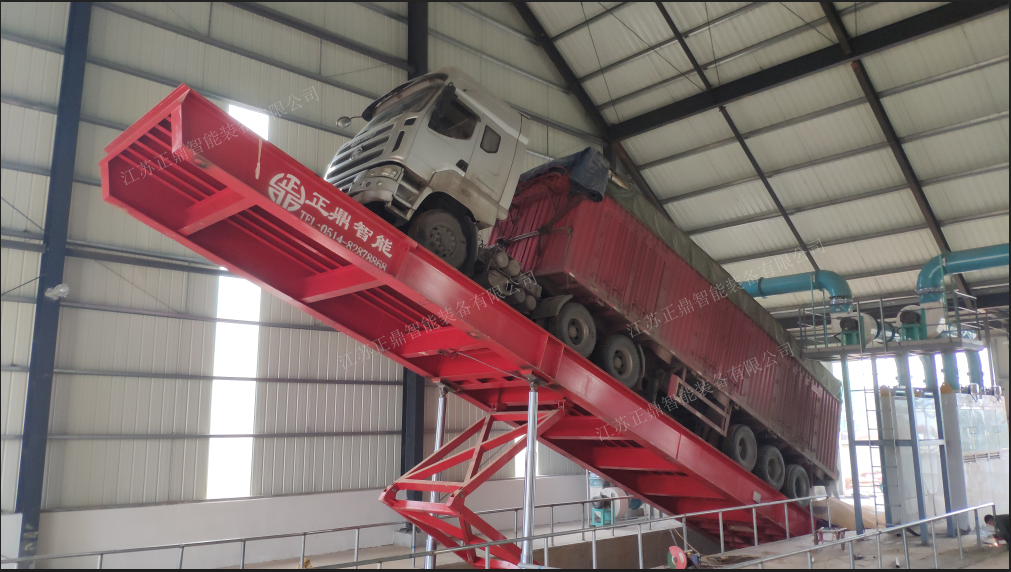
Operationes industriales modernae requirunt apparatus specialis ad efficienter tractandum transportem materialium in massa, et dump camionis descarcator emersit ut component crucialis in multis aedificiis. Haec systemata mechanica processum traductionis manualem transformant in solutionem automatam quae necessitudines laboris significanter minuit dum throughput auget. Societates per varias industrias evaluant num investitura initialis magni valoris in dump camionis descarcatorem justificet beneficia operationum diuturna et conservationes costuum.
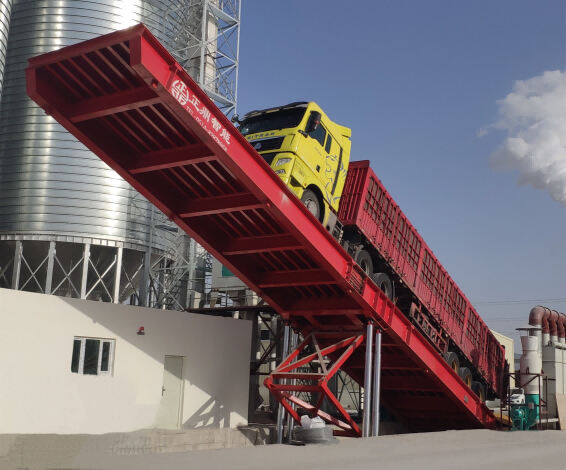
Intellectus de Technologia Dump Camionis Descarcativis
Componentes Mechanicae et Operatio
Design fundamentale evomitoris camionis innititur systematibus hydraulicis aut pneumaticis quae partem posteriorem camionum distributionis tollunt ad effundendum materiam gravitate ducta. Haec systemata robusta structura ex ferro includunt quae pondera sustinere possunt inter 40 et 80 tonna, secundum modelum specificum et conditiones applicationis. Mechanismus elevationis per seriem cylindrorum synchronizatorum operatur, qui elevationem regulatam et aequabilem lecti camionis ad angulos praedeterminatos, inter 45 et 60 gradus, garant.
Functiones tutelares in systemata hodierna eiciendorum camionum inclusae sunt cunei rotae automatici, mechanismi cessationis emergentiae, et sensors oneris qui operationem praeter tuta ponderis limina prohibent. Systemata gubernationis saepe facultates operationis remotae habent, quae operarios permittunt tutas distantias servare durante processo exonerandi. Modelia profectior programmabiles logicae regetes includunt, qui plures figuras exonerandi pro variis generibus camionum et characteristicis materiae servare possunt.
Materia tractatio Usus
Facilitates industriales quae materiales granulares tractant, ut harena, grava, carbo, frumentum vel pulvis chimici, systemata descendentis eversionis praecipue valent ad constantiam celeritatis fluxus materialis retinendam. Instrumentum peculiare eminet in locis ubi puritas materialis servanda est, quod processus inclusus eversionis contaminationis pericula minuit comparate ad operationes tradicionales dump truck. Fabricae manufactoriae, stationes generationis electricitatis et centra elaborationis agriculturae sunt potissima genera sectorum quae haec systemata eversionis specialia utuntur.
Versatilitas technologiae eversionis autocinetae pertingit ad varias formae autocinetorum, inter quas vulgares autocineti exoneratores, autocineti cisternae et vectores parati onerum ingentium. Optiones adaptationis permittunt facultatibus accommodare diversos interaxes rotarum et longitudines cassae, dum anguli exonerandi optimi servantur ad effusionem perfectam materiae. Haec aptitudo investitionem magis expetendam reddit pro facultatibus, quae accipiunt commeatus ab aliis societatibus transportis, quae variis specificatis vehiculorum utuntur.
Analysis Commoditatum Efficientiae
Reductio Temporis et Meliorationes Permeabilitatis
Tipper-evacuator camionis implementatus tempus evacuandi materiam contrahit ex 15–30 minutis per camionem ad circiter 5–8 minuta, quod emendationem velocitatis tractandi 60–75% repraesentat. Haec temporis diminutio permittit facultatibus multo plures distributiones intra horas operationum ordinarias tractare, simulque catervas camionum et tempora expectandi conductorum minuere. Velocitas evacuandi constans quam systemata automata praebent variabilitatem tollit quae cum methodis evacuandi manualibus coniuncta est, quae in arte operatoris et conditionibus corporalibus dependet.
Augmentatae facultates pervectionis permittunt facultatibus meliores conditiones dationis cum suppeditoribus agitare, potissimum voluminis prae-mia et meliores contractus condiciones obtinere. Minutae tempora reditus camionum etiam probabilitatem obstructionum dationis in temporibus summis minuunt, constantem materialium supplicationem pro processibus productionis continuatis servantes. Haec emendationes saepe in aucta satisfactione clientium inter ducatores dationis convertuntur, qui praedictam et efficientem experientiam exonerandi gratulantur.
Optimizatio Costis Laboratorii
Operationes manuales tradicionales exonerandi typice 2-4 operarios per camionem requirunt, dum camionem effundentem deflexorem a singulo homine cum minima vi opari potest. Haec operariorum reductio magnas continuae pecuniae conservationes in mercedibus, bonis et expensis asservationis associatis cum positionibus manualibus gestandi materiae repraesentat. Diminutae necessitates physicae etiam ad minus vulnera in loco laboris ducunt, petitiones compensationis operariorum et expensas administrativas associatas minuentes.
Aspectus automationis facultatibus permittit operarios peritos ad activitates magis pretiosas transferre potius quam ad munera materialis tractationis cotidiana. Haec optimizatio manuum saepe meliorem productivitatem generalem et satisfactionem operariorum efficit, dum operarii a functionibus laboriosis ad positiones techniciores transeunt. Reducta dependentia ab opere manuari etiam maiorem flexibilitatem operationalem praebet in temporibus penuriae manuum vel altae migrationis employee.
Schema Analysis Costarum
Praestatio Capitalis Initialis
Pretium emptionis systematis descendentis camionis inter $150,000 et $500,000 variat, secundum capacitatem, functiones, et necessitudines adaptationis. Impensae installationis solent alia 15-25% ad pretium instrumentorum addere, inclusa preparatione loci, opere electrico, et integratione systematis tuitivae. Alii considerationes includunt licentias, inspectiones, et modificationes facultatum quae forte necesse sunt ut nova machina recipiatur et cum regulis localibus conveniatur.
Optiones finantiandi ad emptionem machinarum evolvendarum et descendentium includunt traditionales mutua instrumentorum, locationes, et programmas fabricantium quae impensas per 5–7 annos propagare possunt. Alii fabricantes programmas permutandi pro instrumentis tractandis materialibus praestantibus offerunt, quae investitionem netto opus minuere possunt. Praemia gubernativa pro automatione et meliorationibus securitatis etiam dari possunt, loco et classificatione industriale dependentia.
Expensae Exercitationis et Conservationis
Impensae conservationis anni singuli pro systematibus machinarum evolvendarum et descendentium typice ex 3–5% pretii emptionis initialis consistunt, si agendi rationes commendatae sequantur et partes reponebiles veras utantur. Conservatio cotidiana mutationem liquoris hydraulici, substitutiones filtrorum, inspectiones structurales, et calibratum systematum tutela continet. Programmata conservationis preventiva vitam instrumentorum producere possunt et probabilitatem emendationum emergentium onerosarum, quae operationes turbare possent, minuere possunt.
Consumptio energiae variat secundum frequentiam usus et descriptum systematis, sed pleraeque instrumenta eversionis camionum durante motu inter 5-15 kilowatt consumunt. Systemata recentiora componentes efficientes ad energiam et facultates regenerativas includunt quae necessitudines electricitatis minimant, tamen constantia opera manentia. Consumptio relativae parvi cum imminutis mercede operariorum saepe in comparationibus expensarum favores dat contra methodos manuales.
Calculatio Revertoris Investitionis
Analyse Periodi Recuperandi
Plurima opera praemium pro investitionibus in descendentia camionum consequuntur intra biennium ad quadriennium, cum in calculo pecuniae servatae in manu operis, augmentum pervectionis et minui merces tractandi materiae includantur. Operationes magnae frequentiae quae decem aut plura subsidia camionum cotidie tractant saepe praemium infra biennium adipiscuntur propter tempus et laborem servatum collectivum magnum. Methodus calculandi debet comprehendere directa praemia pecuniaria, meliorationes in efficacia et potestalem incrementum reditus ex capacitate tractandi meliorata.
Opera cum variationibus petitionis anni habentibus possunt diutius praemium experiri sed tamen reditus attrativos intra vitam operationalem apparatus 15–20 annorum consequi. Analyse debebit considerare temporalem pecuniae valorem et effectus eventuales inflationis in mercedibus laboris durante horizonte investitionis. Factores risici, ut mutationes in voluminibus supplicandi vel generibus materiae, etiam in analysibus sensibilitatis includendi sunt ut robusta decretio investitionis fiant.
Beneficia Financialia Longa Tempore
Ultra initialem periodum solutionis, systemata eversionis autocinetorum continuant valorem generare per persistentem vitam costarum et meliorationes in efficentia operationali. Instrumenta saepe altam fiabilitatem et praestantiam servant per totam vitam operativam, si recte serventur, praebendo redditus constantes ex initiali investitura. Meliorationes technologicae et opportunitates adaptandi possunt instrumentorum vitam extendere et facultates augere sine necessitate totalis systematis mutandi.
Meliorationes valoris possessionis et facultatum aedificii possunt investituras ad quaestores vel investitores qui rem quaerunt facere gratas. Facies professionalis et efficentia operativa quae in systematibus automatorum eversionis demonstrantur saepe opiniones clientium et rationes cum suppeditoribus laudabiliter afficiunt. Haec beneficia intangibilia, quamquam difficilia ad quantificandum, ad totam propositionem valoris implementationum eversionis autocinetorum conferunt.
Considerationes Exsecutionis
Conditiones Situs et Installatio
Installatio successa eversionis descendentis camionis spatium idoneum requirit ad movendum camionem, operationem machinarum, et zonas tutitatis circum locum descendentem. Installationes typicae circa 30–45 metra spatii linearis necessitant, cum latitudine sufficiente ad accommodandum radios vertendi camionis et spatia libera machinarum. Utilitates subterraneae, systemata drenationis, et infrastructura collectionis materiae diligenter excogitanda sunt ut nova machina integretur sine interruptione.
Considerationes structurales includunt fundamenta quae onera dynamica durante operatione ferre possint, et conditiones potestiales quae stipites speciales requireant. Factores ambientales, sicut venti dominantes, schemata pluviae, et extrema temperaturarum, electionem machinarum et praesidia protegentia afficiunt. Preparatio recta loci et installatio professionalis necesse sunt ad optima perficientia et diuturnitatem consequendam e systematibus eversionis descendentis camionis.
Doctrina et Protocola Tutelae
Programmata completa doctrinae operatorum tutam et efficacem operationem eversionis camionis expeditoris garant minuendo simul periculum casuum vel damni instrumentorum. Curricula doctrinae debent amplecti operationem instrumentorum, procedura in casibus emergentiae, opera manutentionis cotidiana, et quaestiones communes solvendas. Programmata certificatoria a societatibus praestitorum aut auctoritatibus regulativis exiguntur, prout locus facultatis et classificatio industria depedent.
Protocolla salutaria debeant communicare de curriculo camionis, restrictiones adituum peregrinorum, et procedura ad responsum in casibus emergentiae durante operatione instrumentorum. Auditus salutares periodici et doctrina renovata iuvant conservare altos gradus salutis et obedientiam regulis mutabilibus. Documentatio acta doctrinae et procedura salutaria iuvat petitiones praestationum et necessitudines obedientiae regulativae demonstransque studium organisationis pro salute in loco laboris.
FAQ
Quae sunt quae determinant opus capacitate eversionis camionis expeditoris
Requisitiones capacitis pendent a maximis pondibus vehiculorum quae tua facies accipit, voluminibus typicis dationum, et characteristicis densitatis materiae. Plures facies systemata eligunt quae 25-50% supra gravissima praevista onera aestimantur, ut marginem tutoitatis praebent et accessioni futurae consulant. Considera tam totum vehiculi pondus quam factores onerandi specifice ad materiam, cum machinas metiris, ut certus sis de actu per omnes applicationes praevistas.
Quomodo conditiones atmosphaerae operationes evomitoris autocarri afficiunt
Systemata recentiora evomitoris autocarri protectionem adversus condiciones atmosphaericas includunt et materiales habent qui pro operatione foris in variis conditionibus climaticis sunt probati. Tamen conditio extrema atmosphaerae, ut formatio glaciei, venti validi, aut pluvia gravis, modificationes operationales vel interruptiones temporarias propter causas tuitatis requirere possunt. Installationes inclusae vel tectae meliorem praesidium adversus tempestatem praebent sed initiales sumptus notabiliter augent.
Possuntne aedificia existentia systemata descendentis evomitoris camionis reformare
Ferme omnia aedificia existentia retroacta evomitoris camionis recipere possunt, si modo mutationes loci et meliorationes instrumentorum idoneae fiant. Rerum gestarum restituendarum opus plerumque consilium latius et fortasse sumptus maiores requirit quam in novis aedificationibus, propter contentiones utilitatum existentium et spatii angustias. Profundae indagationes loci potentialia impedimenta detegunt et solutiones costis parcis efficaces efficiunt, quae interruptiones operationum durante aedificatione minimas faciunt.
Quod schema conservationis optimatum tempus cessandi evomitoris camionis minuit
Praeventiva mantentionis programma, quae ex horis operationis et cyclis magis quam ex intervallis calendariis pendent, saepe meliores resultatus praebet pro systematibus instaurantium camionum usum frequentem habentium. Technologies conditionis inspectivas posse praedicere mantentionis necessitates et optimizare intervalla servitii, dum imprevisa defecta minuuntur. Mantinendo inopiis partium deputatarum pro componentibus criticis et constituendo relationes cum ministeriis idoneis, tempora restaurationis contrahuntur, quando problemata accidunt.
Index Rerum
- Intellectus de Technologia Dump Camionis Descarcativis
- Analysis Commoditatum Efficientiae
- Schema Analysis Costarum
- Calculatio Revertoris Investitionis
- Considerationes Exsecutionis
-
FAQ
- Quae sunt quae determinant opus capacitate eversionis camionis expeditoris
- Quomodo conditiones atmosphaerae operationes evomitoris autocarri afficiunt
- Possuntne aedificia existentia systemata descendentis evomitoris camionis reformare
- Quod schema conservationis optimatum tempus cessandi evomitoris camionis minuit