
 EN
EN
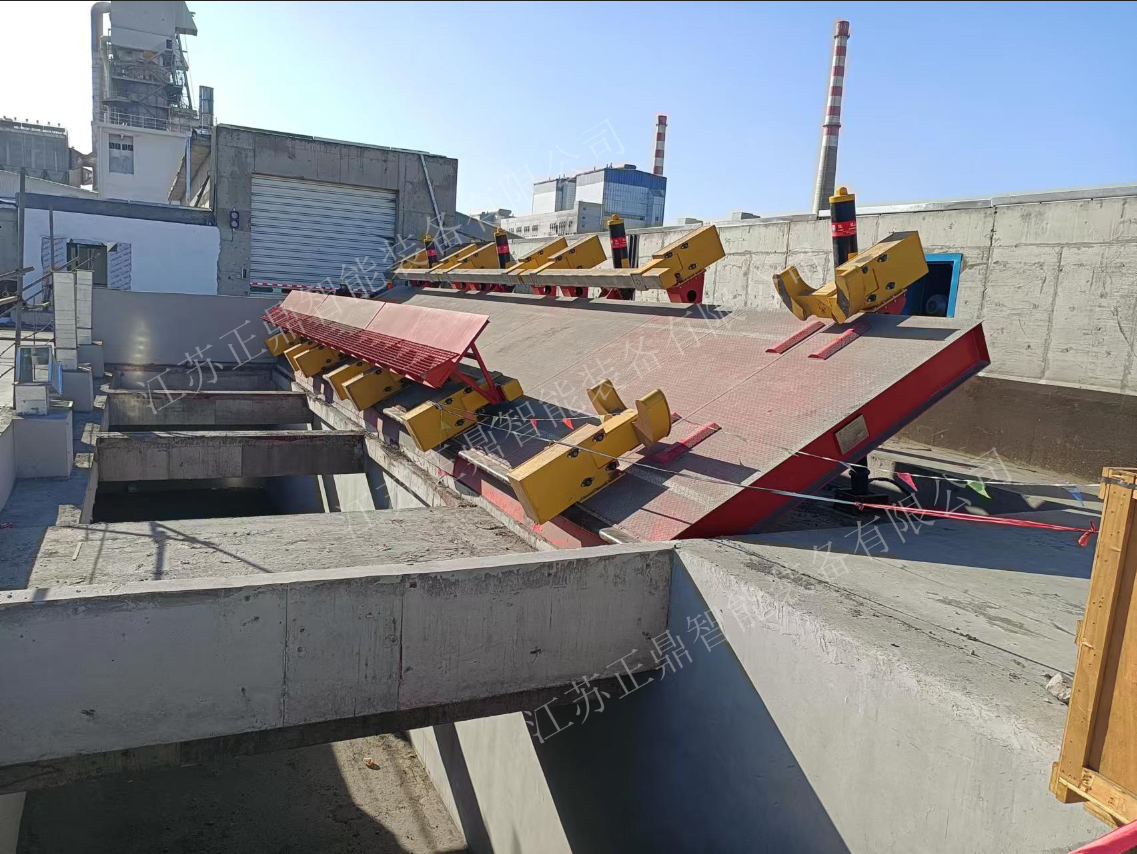
Essential Guidelines for Secure Material Handling Operations
The efficient and safe operation of a hydraulic truck unloading platform stands at the heart of modern logistics and material handling. These sophisticated systems have revolutionized how businesses handle cargo transfer, but their operation requires careful attention to safety protocols. Understanding proper usage techniques not only protects valuable equipment and materials but, most importantly, ensures the wellbeing of personnel working in loading dock environments.
Daily operations in warehouses and distribution centers rely heavily on hydraulic truck unloading platforms to facilitate smooth material transfer. These powerful systems can handle substantial loads, but their effectiveness depends entirely on proper implementation of safety measures and operational best practices. Let's explore comprehensive safety guidelines that will help maintain a secure working environment while maximizing operational efficiency.
Pre-Operation Safety Protocols
Equipment Inspection Requirements
Before any unloading operation begins, a thorough inspection of the hydraulic truck unloading platform is crucial. This includes checking hydraulic fluid levels, examining hoses for wear or damage, and ensuring all safety features are functioning correctly. Operators should verify that all mechanical components move smoothly and that emergency stop mechanisms are readily accessible and operational.
The platform's weight capacity indicators must be clearly visible and understood by all operators. Regular documentation of these inspections helps maintain accountability and creates a reliable maintenance history. Any signs of wear, damage, or malfunction should be immediately reported and addressed before proceeding with operations.
Environmental Safety Considerations
The working environment plays a crucial role in safe platform operation. Adequate lighting must be maintained throughout the unloading area, and the surface should be clear of debris, ice, or other hazards that could compromise stability. Weather conditions must be carefully considered, as wind, rain, or extreme temperatures can affect both equipment performance and operator safety.
Proper drainage systems should be in place to prevent water accumulation near the hydraulic truck unloading platform, which could create slipping hazards or affect the platform's stability. The surrounding area should be clearly marked with safety zones and warning signs to prevent unauthorized personnel from entering the operational space.
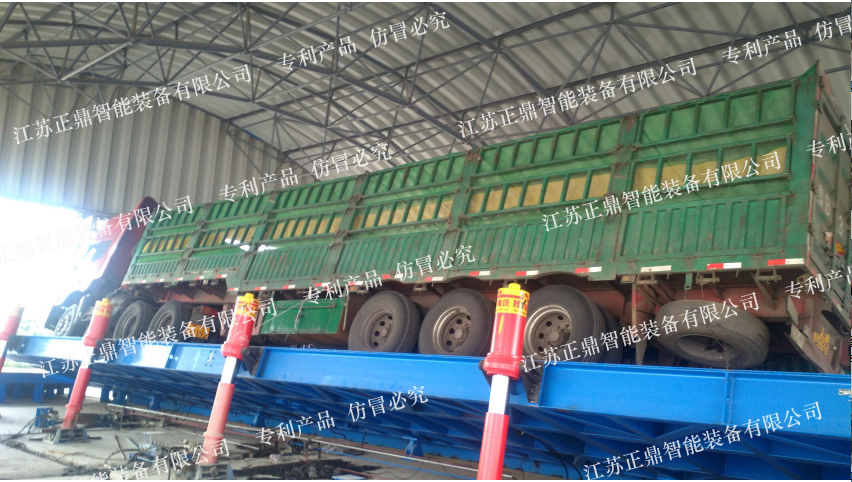
Operational Best Practices
Proper Loading Techniques
Correct load positioning is fundamental to safe platform operation. Cargo must be centered on the platform to ensure even weight distribution and prevent tipping or instability. Operators should always verify that the combined weight of the load and any handling equipment remains within the platform's rated capacity.
When using forklifts or other material handling equipment on the hydraulic truck unloading platform, operators must maintain appropriate speed and approach angles. Sudden movements or improper positioning can create dangerous situations and potentially damage both the equipment and materials being handled.
Communication Protocols
Clear communication between all personnel involved in the unloading process is essential. Standard hand signals or radio communication protocols should be established and consistently used. This becomes particularly important in noisy environments where verbal communication might be challenging.
A designated spotter should be present during complex unloading operations, maintaining visual contact with both the platform operator and other personnel. This extra set of eyes helps prevent accidents and ensures smooth coordination between all parties involved in the unloading process.
Maintenance and Regular Upkeep
Preventive Maintenance Schedule
A well-planned maintenance schedule is crucial for the longevity and safe operation of any hydraulic truck unloading platform. This should include regular inspection of hydraulic systems, lubrication of moving parts, and testing of safety mechanisms. Documentation of all maintenance activities helps track the platform's service history and identify potential issues before they become serious problems.
Hydraulic fluid levels and quality should be checked frequently, as contaminated or insufficient fluid can lead to equipment failure. Seals, hoses, and connections require regular inspection to prevent leaks that could create both safety hazards and environmental concerns.
Wear Point Monitoring
Critical wear points on the platform require special attention during maintenance inspections. This includes checking the condition of the platform surface, examining guardrails and safety barriers, and assessing the integrity of attachment points and hinges. Regular monitoring of these areas helps prevent equipment failure and maintains optimal operating conditions.
Electronic systems, including sensors and control mechanisms, should be tested regularly to ensure proper functionality. Any signs of electrical wear or damage should be addressed immediately by qualified technicians to prevent system failures during operation.
Emergency Response Preparedness
Emergency Shutdown Procedures
Every operator must be thoroughly trained in emergency shutdown procedures for the hydraulic truck unloading platform. This includes knowing the location and proper use of emergency stop controls, understanding when to initiate emergency procedures, and being familiar with evacuation routes and assembly points.
Regular drills should be conducted to ensure all personnel can respond quickly and effectively to various emergency scenarios. These drills help identify potential procedural weaknesses and provide opportunities for improvement in emergency response protocols.
Incident Reporting Systems
A comprehensive incident reporting system helps track and analyze safety-related events, whether they result in accidents or near-misses. This information is valuable for identifying patterns and implementing preventive measures to enhance overall safety protocols.
All incidents should be thoroughly documented and reviewed by safety committees to determine root causes and develop appropriate corrective actions. This systematic approach to incident management helps prevent future occurrences and continuously improves safety standards.
Frequently Asked Questions
How often should a hydraulic truck unloading platform be inspected?
A thorough inspection should be conducted daily before operations begin, with more comprehensive mechanical inspections performed weekly. Additionally, professional maintenance inspections should be scheduled quarterly or according to manufacturer specifications, depending on usage frequency and operating conditions.
What are the key safety features to check before operation?
Essential safety features include emergency stop controls, guard rails, non-slip surfaces, warning signals, and hydraulic system components. Operators should also verify the proper functioning of limit switches, safety interlocks, and load capacity indicators before beginning any unloading operations.
What weather conditions affect platform operation?
Extreme temperatures, heavy rain, snow, ice, and strong winds can significantly impact the safe operation of a hydraulic truck unloading platform. Operations should be suspended during severe weather conditions, and additional precautions should be taken when working in wet or icy conditions to prevent accidents.